The central feature of an insulated bottle is the space between its inner and outer walls. Many stainless steel models use a double-wall structure, while vacuum insulation removes much of the air between those walls.
This construction slows heat transfer between the liquid inside and the surrounding environment. The effectiveness of the insulation depends on the bottle's internal structure, materials, sealing arrangement, and manufacturing process.
The inner wall also needs to maintain its shape during production. Small dimensional differences can affect how the inner and outer components fit together, making manufacturing precision an important part of bottle development.
For a Thermos bottle, insulation is therefore not simply a material choice. It is a combination of structural design and production techniques.
Stainless Steel Remains A Key Material
Stainless steel is widely used in insulated drinkware because it provides a rigid structure and works well with double-wall construction. Different grades can be selected for inner and outer components depending on the intended product specification.
The thickness of the steel also influences the finished bottle. A thinner wall can reduce material use and weight, while a thicker structure can create a different feel in the hand.
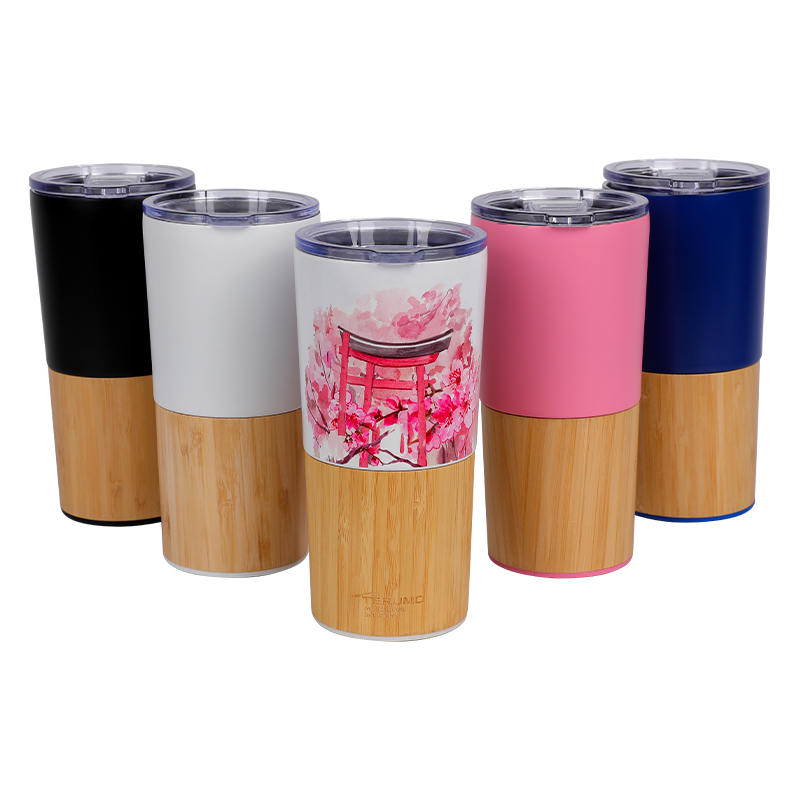
Surface finishing adds another design layer. Brushed, polished, painted, powder-coated, and textured surfaces can give the same basic bottle structure very different appearances.
For manufacturers, these choices create a balance between appearance, dimensions, production processes, and the intended market position.
The Lid Is Part Of The Product
A bottle's performance is not determined by its body alone. The lid plays an equally practical role.
Screw caps provide a familiar closing mechanism, while flip-top, straw, push-button, and sports-style lids offer different drinking methods. Some designs are created for quick access, while others emphasize a more enclosed drinking opening.
The connection between the lid and bottle neck also requires careful engineering. Thread dimensions, sealing components, and opening size need to correspond to the bottle body.
This is particularly important for customized drinkware. A change in bottle diameter may require a matching change in the lid, thread, gasket, or cap structure.
Capacity Creates Different Product Categories
Capacity is another major variable. Compact bottles can suit short trips or office desks, while larger containers may be designed for extended outdoor activities, sports, travel, or workplace use.
Manufacturers can develop several capacities around a shared design concept. For example, the same visual language can be applied to small, medium, and large bottles while adjusting body dimensions and lid specifications.
This approach can help brands create a recognizable product family instead of developing every bottle as an unrelated item.
Customization Goes Beyond Logos
When buyers discuss customized drinkware, printing is often the first topic that comes to mind. However, customization can begin much earlier in the development process.
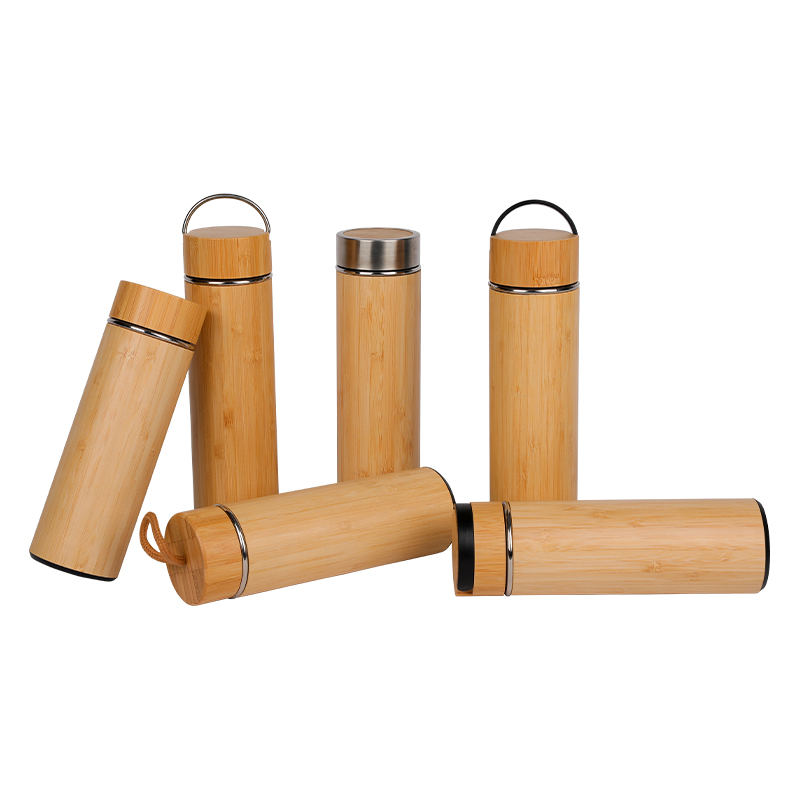
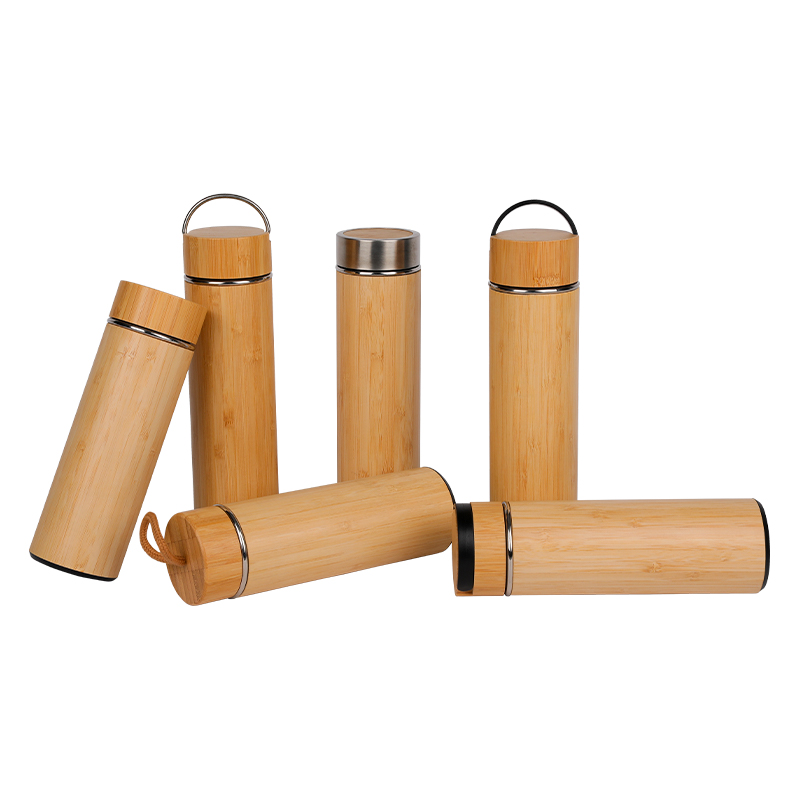
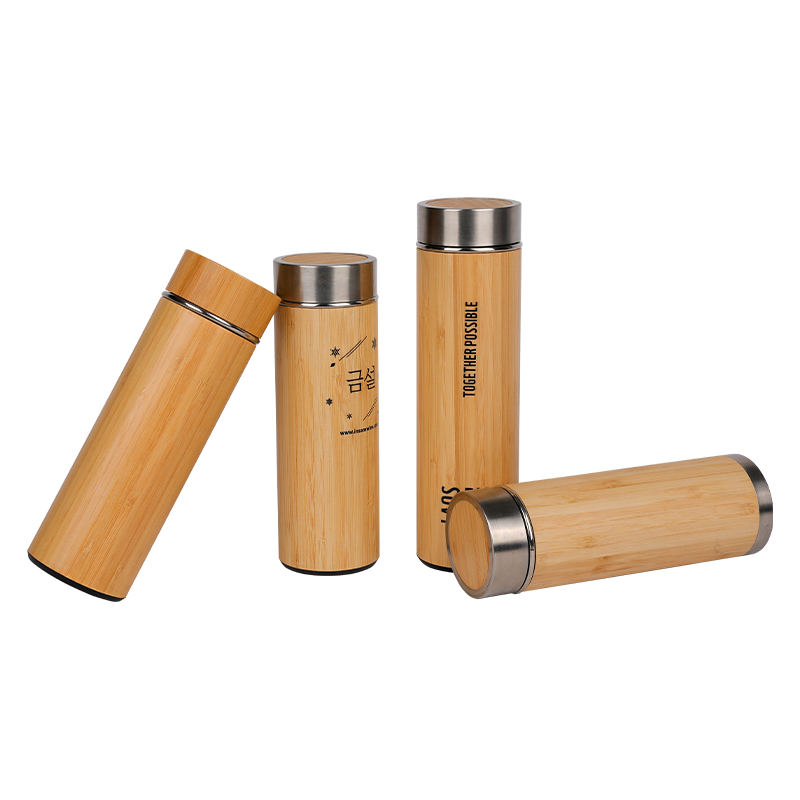
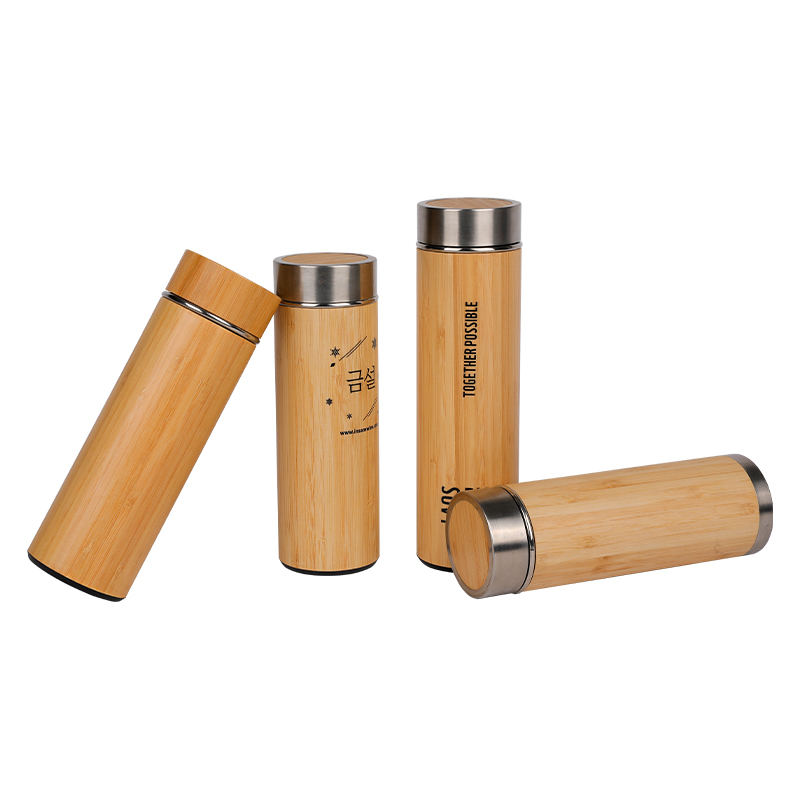
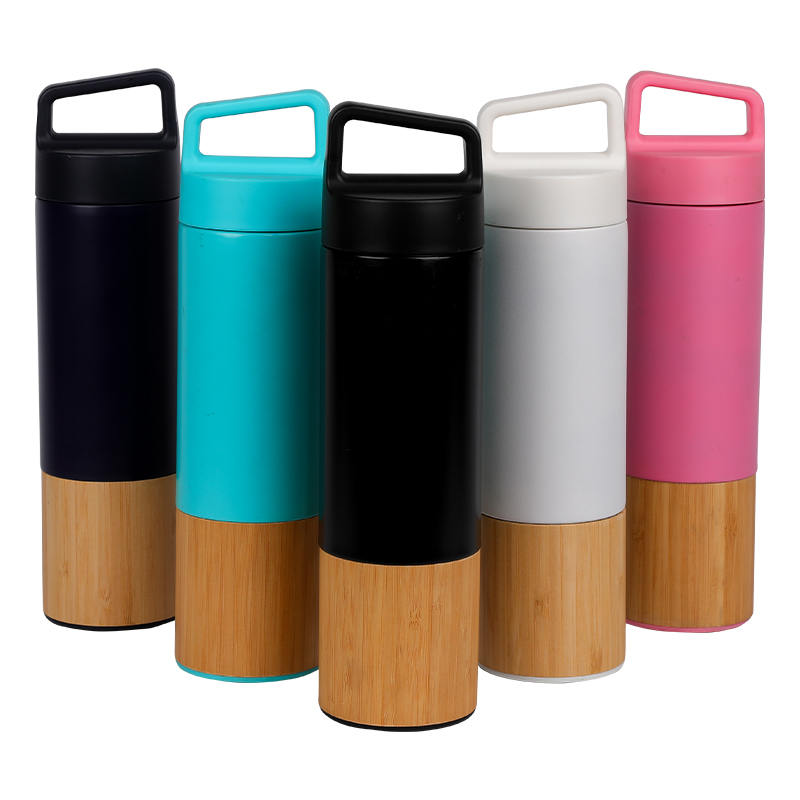
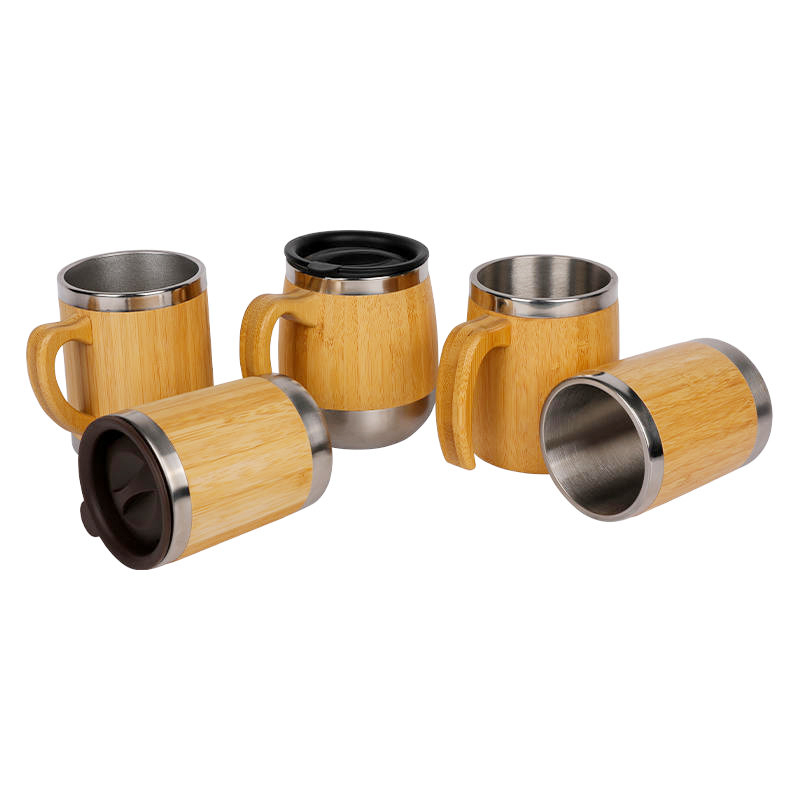
A buyer may request a specific bottle diameter, cap structure, surface texture, handle, carrying loop, color, or insulation configuration. The exterior graphics can then be added to complement the physical design.
OEM and ODM projects may involve even deeper cooperation. Manufacturers can work from drawings, reference samples, or product concepts and adjust the structure around the buyer's requirements.
This makes Thermos bottle development particularly relevant for distributors and brands seeking a product that differs from standard catalog models.