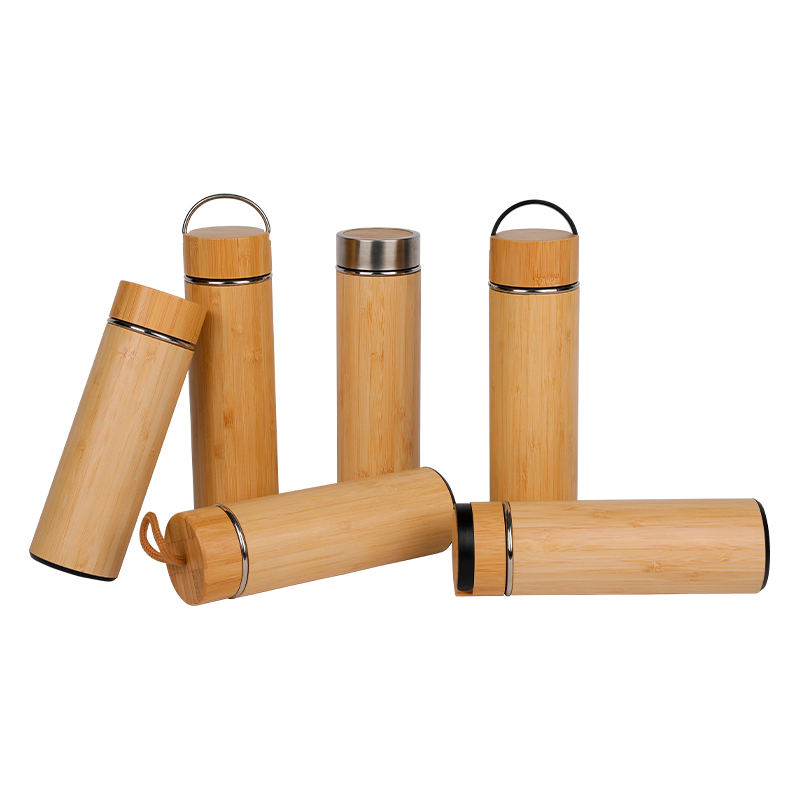
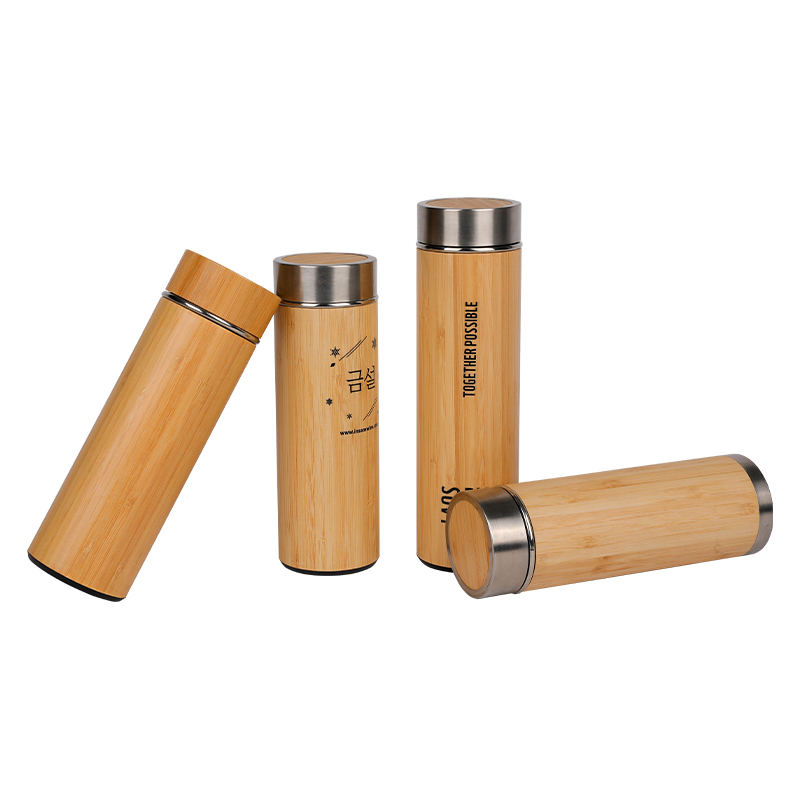
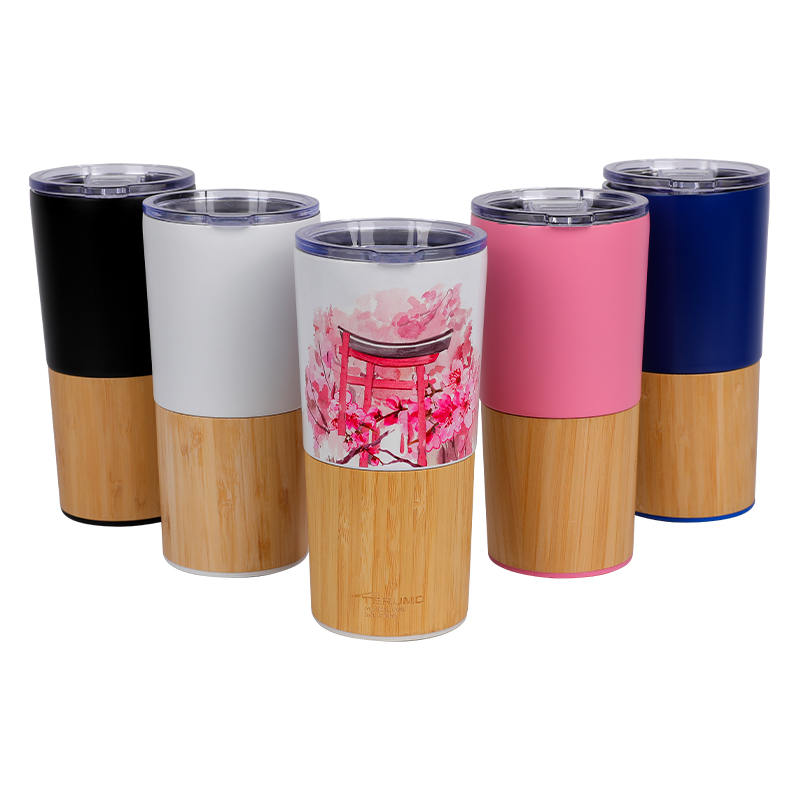
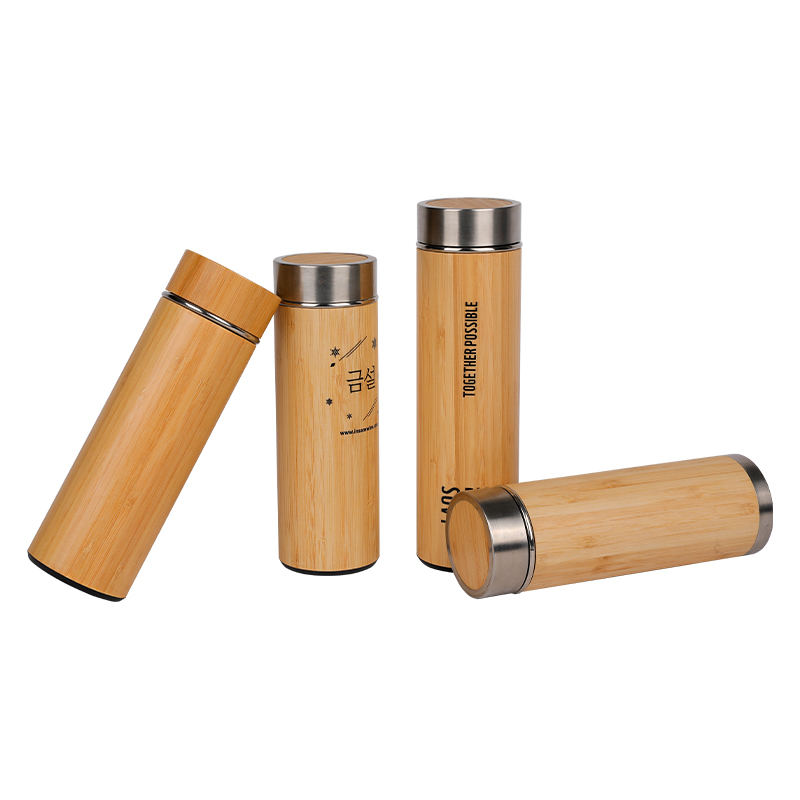
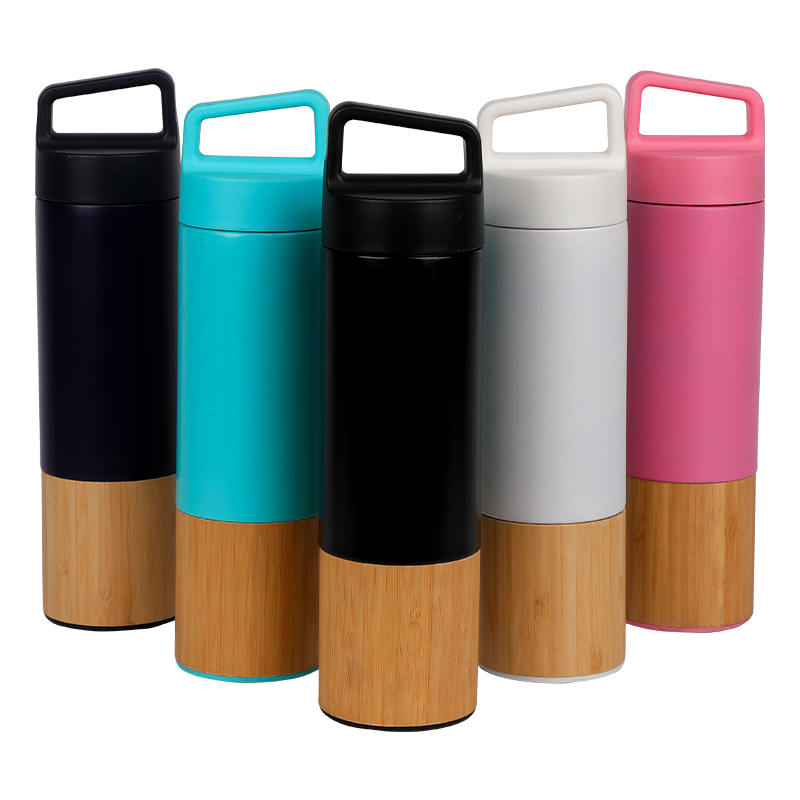
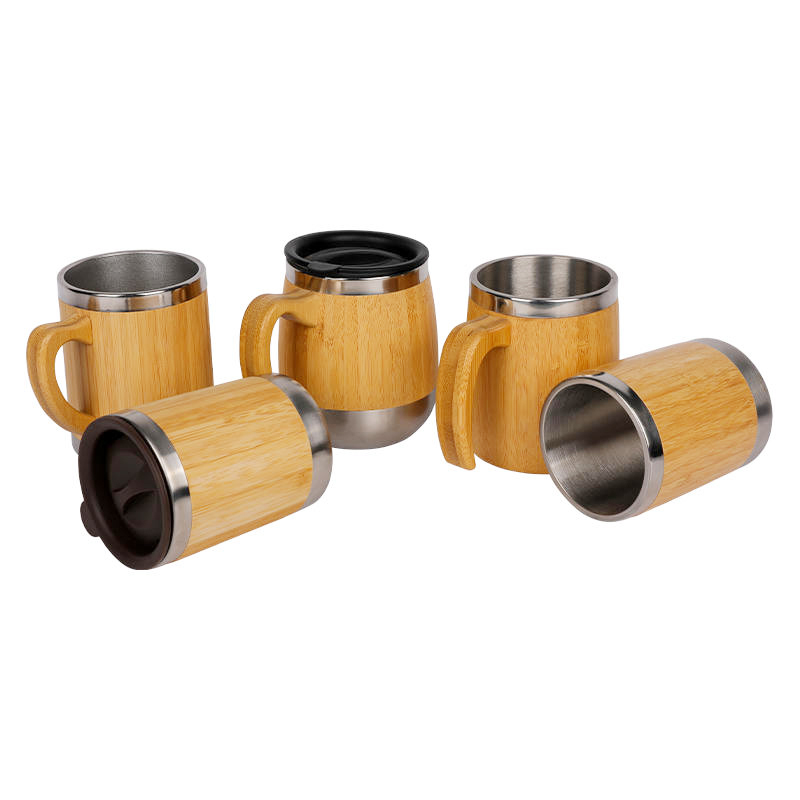
An exercise water bottle provides a simple way to stay hydrated during physical activity. Its portable design, secure lid, and comfortable grip make it a regular companion at the gym, on running paths, and during outdoor sessions. People who move regularly often keep one within reach because it removes the need to search for water sources mid-activity.
The basic form remains consistent across styles. A cylindrical body holds liquid, a lid seals the opening, and a handle or carry loop allows easy transport. Some versions include measurement marks so users can track intake. When the session ends, the bottle returns to a bag or locker without taking much space. That combination of capacity and convenience explains why the exercise water bottle appears in so many active settings.
Gym visitors place an exercise water bottle beside a weight rack or cardio machine. Between sets they take a quick sip without leaving the area. Runners clip or hold one during longer routes so hydration stays available at any point. Group fitness classes see rows of bottles lined along the floor, ready for short breaks.
Outdoor activities also benefit. Hikers pack an exercise water bottle in a side pocket for trail sections between water stops. Cyclists mount or carry one for steady access on longer rides. Sports practices and weekend games rely on them to keep players refreshed during timeouts and half-time. In each case the bottle turns a basic need into a seamless part of the activity.
Most exercise water bottles feature a wide mouth that makes filling and cleaning straightforward. The lid often includes a spout or straw that opens with one hand, allowing a drink without fully removing the top. Some designs use a flip or twist mechanism that seals tightly against leaks when closed.
The body material balances light weight with durability. Clear or translucent sides let users see the remaining liquid at a glance. Textured surfaces or silicone sleeves improve grip even when hands are damp from effort. Measurement markings along the side help track how much has been consumed during a session. These details keep the focus on the activity rather than on managing the bottle.
Exercise water bottles come in a range of volumes. Smaller sizes suit short workouts or people who prefer frequent refills. Larger ones support longer sessions without interruption. The height and diameter influence how easily the bottle fits into a cup holder, bag pocket, or bike cage.
A stable base helps the bottle stand upright on gym floors or locker shelves. Some models taper slightly toward the top so they slide into tighter spaces. Choosing a capacity that matches the typical duration of activity reduces the chance of running empty mid-session.
During indoor workouts an exercise water bottle stays close at hand. The secure lid prevents spills if the bottle tips over near equipment. On outdoor runs the bottle moves with the body, either held or secured in a belt. The weight remains manageable so it does not interfere with form or pace.
In group settings the bottle’s distinct color or marking helps owners identify it quickly among others. At the pool or during hot outdoor sessions the insulation in some designs keeps the liquid cooler for longer periods. These practical traits allow the bottle to adapt to varied environments without requiring special adjustments.
+86-15888916245