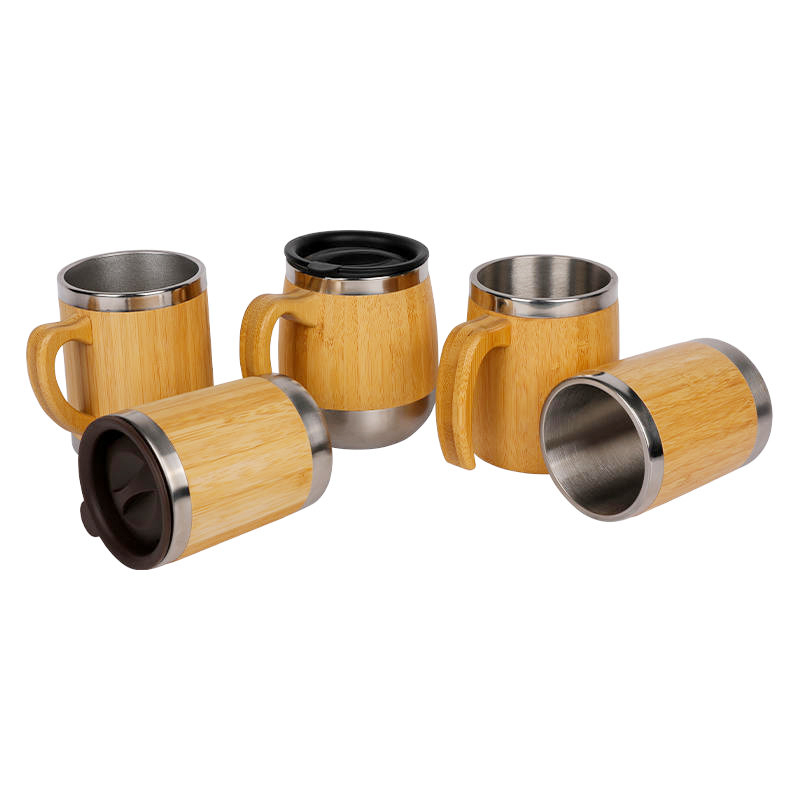
Few everyday objects have had a longer run of quiet usefulness than the thermos water bottle. The basic promise — put a drink in, and it stays the temperature you want for hours — sounds almost too simple to matter. But once you've had properly cold water on a sweltering afternoon hike, or a genuinely hot coffee waiting for you at the end of a long morning commute, that promise stops feeling simple and starts feeling indispensable. It's the kind of thing you notice most when you don't have it.
That technology is why a thermos water bottle performs so differently from a standard plastic bottle or an uninsulated stainless option. The vacuum layer has no air to conduct heat through, no liquid to carry warmth from one side to the other. The result is a bottle that keeps ice water genuinely cold through a warm afternoon, and keeps tea or coffee hot well into the day — without any external power, battery, or gadgetry involved. It's a passive system that simply works, which is part of why the design has stayed essentially unchanged for decades.
Choosing a thermos water bottle involves a few practical decisions that are worth thinking through before buying:
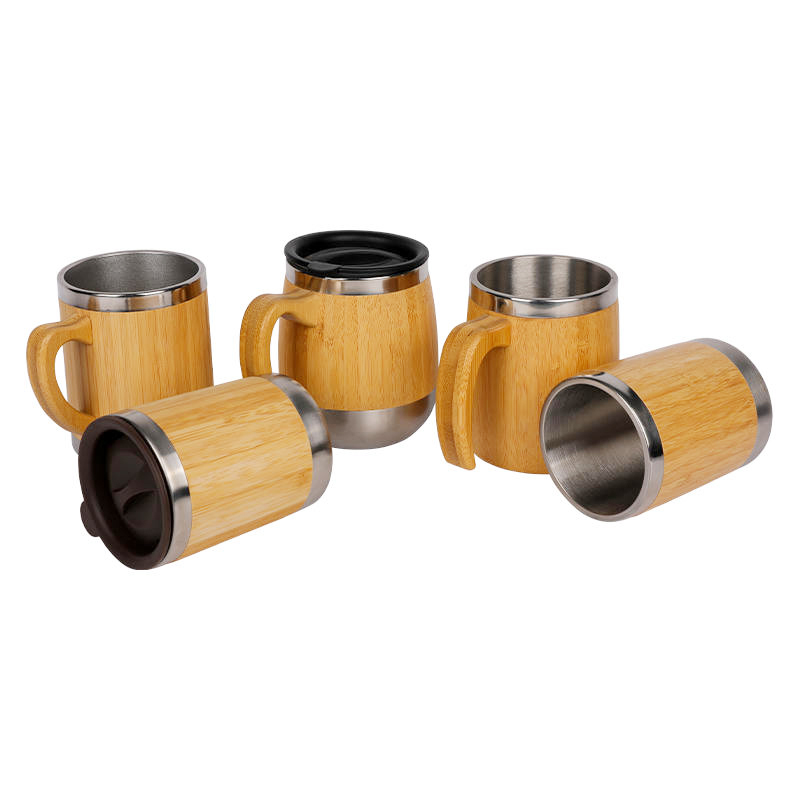
Lid type— screw-top lids offer a reliable seal and suit both hot and cold drinks; flip-top or push-button lids allow one-handed drinking but may not seal as tightly under pressure from carbonated drinks or extreme heat.
Mouth width— narrow-mouth bottles pour cleanly and are easier to drink from directly; wide-mouth designs make it simpler to add ice cubes, clean the interior thoroughly, and fill from a tap or water source in the field.
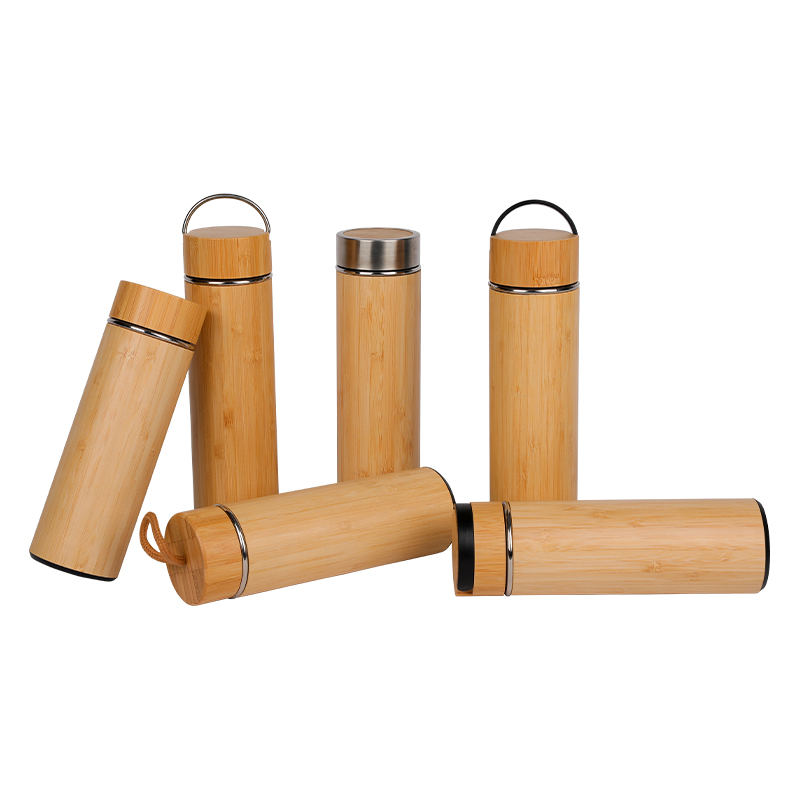
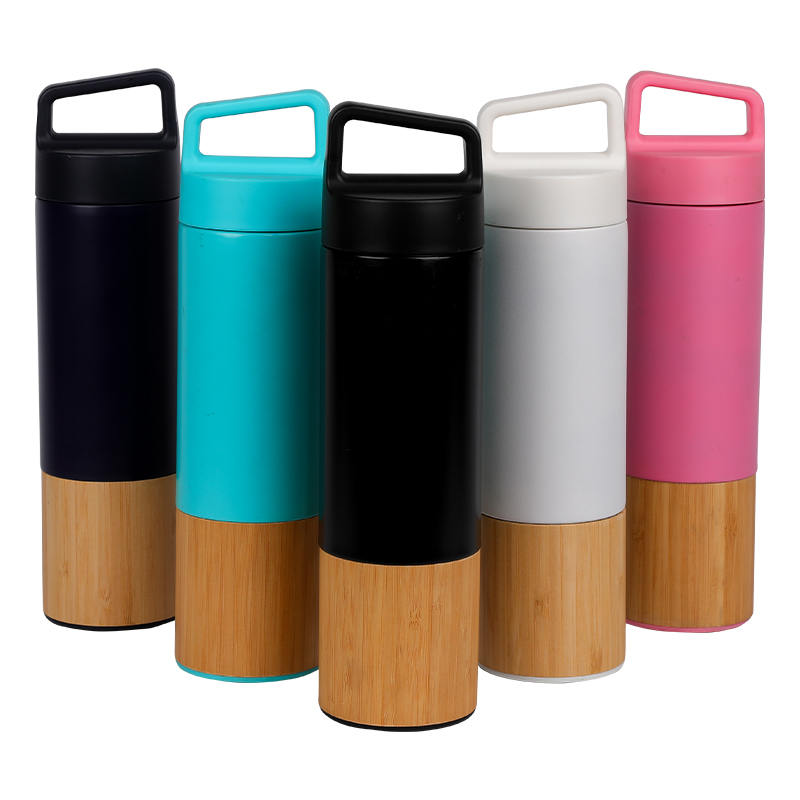
Carry options— some thermos bottles come with integrated handles, carabiner loops, or carrying straps built into the lid; others are straight cylinders that slip into a bag pocket or cup holder without any extra hardware.
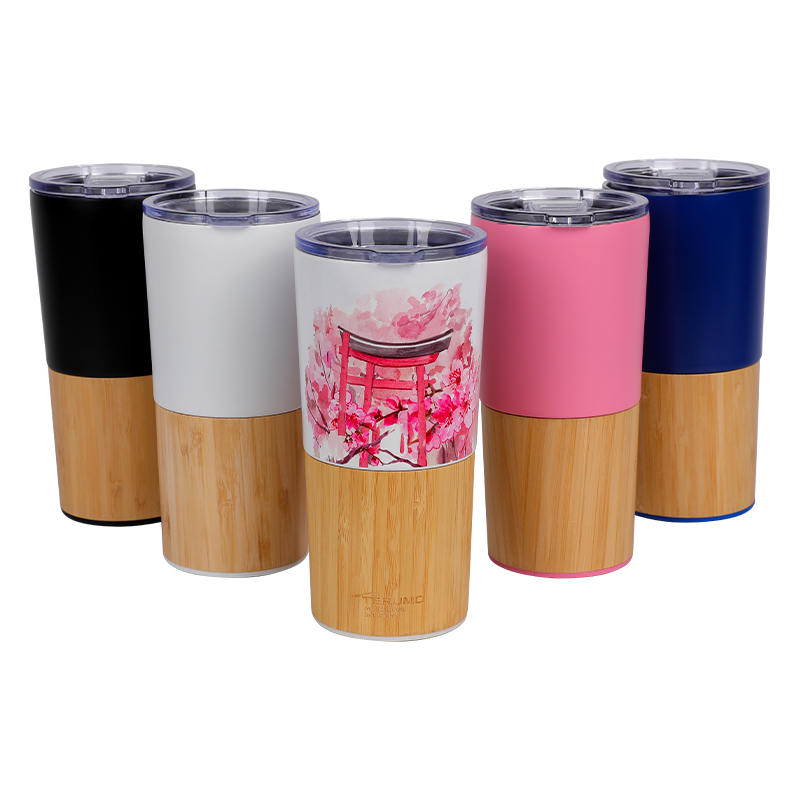
Exterior finish— powder-coated finishes add grip and come in a wide range of colors; brushed or polished stainless exteriors have a cleaner, more minimal look but can show fingerprints and scratches more readily over time.
Size is one of the more personal decisions in the thermos water bottle category. Smaller bottles — compact enough to fit in a jacket pocket or a tight bag compartment — suit people who want something truly grab-and-go. Larger formats are better suited to a full day outdoors, a long flight, or a desk setup where refilling is inconvenient. There's no single right answer; it depends almost entirely on how and where you drink throughout the day.
The stainless steel construction that defines the category brings its own set of advantages beyond insulation. It doesn't absorb flavors or odors the way plastic does, meaning yesterday's coffee won't ghost into today's water. It handles drops, bags, and general daily abuse without cracking. And because the interior is a smooth, non-porous surface, cleaning is straightforward — a bottle brush and warm soapy water handle most situations without any special effort.
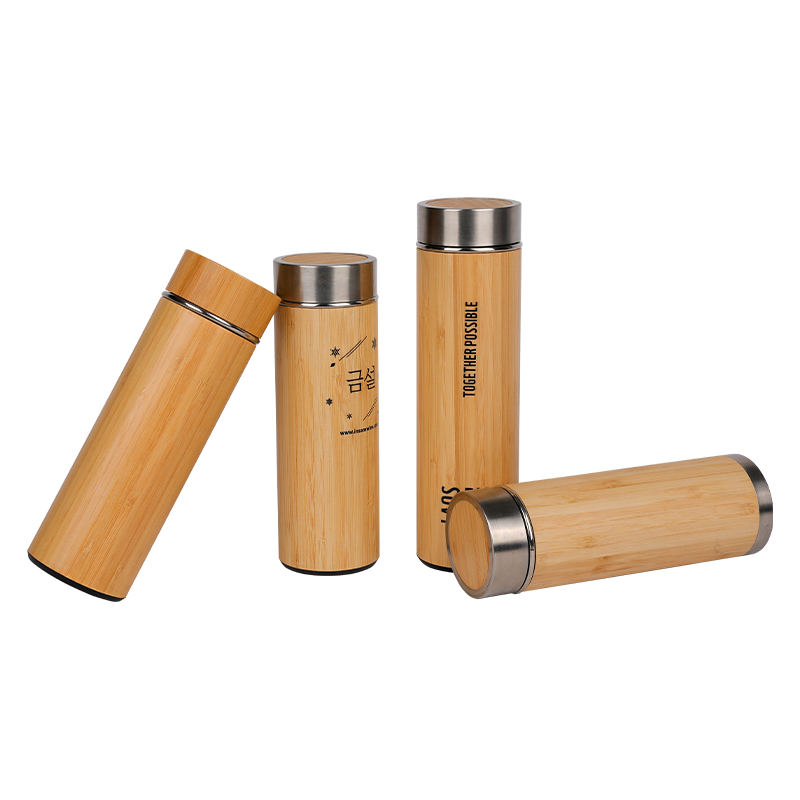
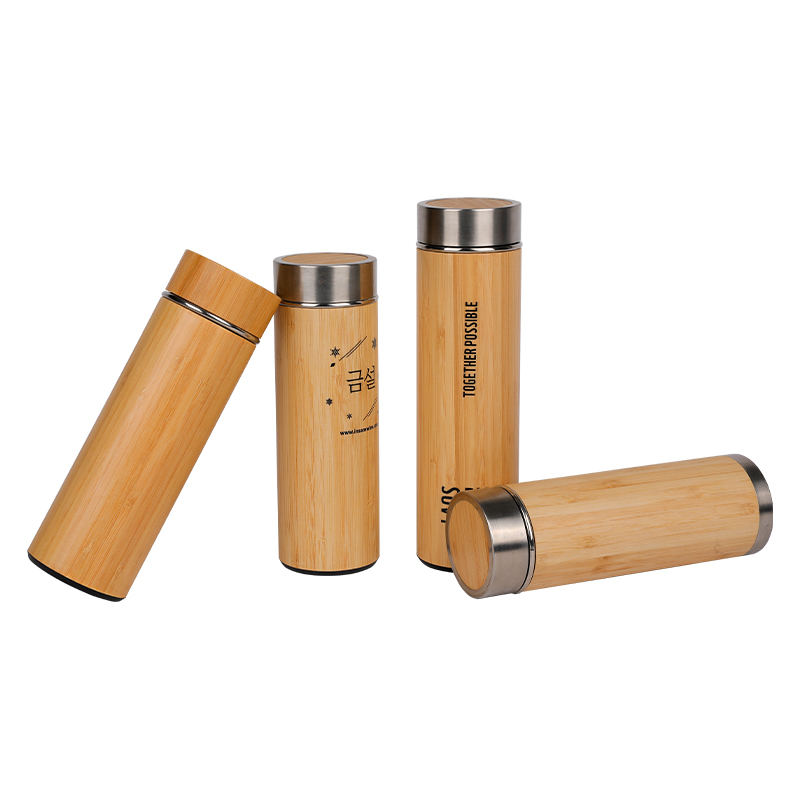
Gifting is another area where the thermos water bottle has quietly built a strong presence. It hits a practical sweet spot — something people genuinely use every day, available in enough colors, sizes, and styles to feel thoughtfully chosen rather than generic. Custom engraving has become a popular add-on for personal gifts and corporate promotions alike, turning a functional object into something with a bit more personal weight.