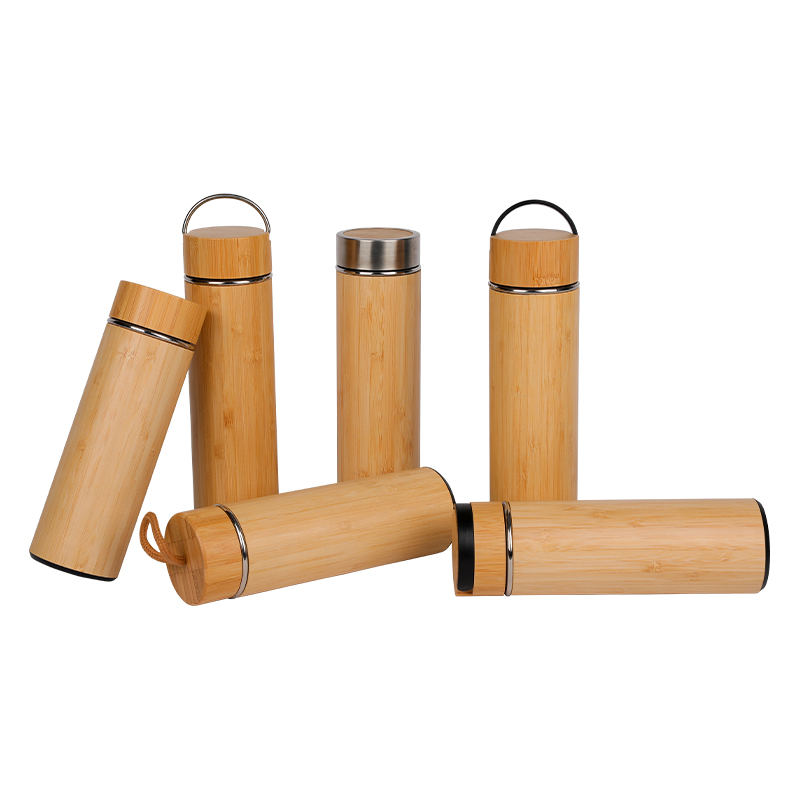
The defining feature of a thermos water bottle is double-wall vacuum insulation — two layers of metal, usually stainless steel, with a sealed vacuum gap between them. That gap blocks heat transfer far more effectively than a single-wall bottle, which is why a well-built thermos bottle can hold cold drinks cold for many hours and hot drinks hot for a comparable stretch, depending on wall thickness and cap design.
Buyers evaluating suppliers often ask about a few specific factors that influence insulation performance:
Gauge thickness of the steel walls
Vacuum seal quality at the base and neck
Cap or lid design, since a loose-fitting lid lets heat escape faster than the walls do
None of these factors show up in a quick glance at a bottle, which is part of why sourcing conversations tend to go deeper than surface appearance.
Steel Grade and Interior Finish
Most thermos water bottles use 18/8 stainless steel, a grade that resists corrosion and doesn't react with acidic drinks like coffee or citrus-infused water. The interior finish matters almost as much as the grade itself — a smooth, polished interior is easier to clean and resists lingering odors better than a rougher surface. Some manufacturers add an interior coating for extra corrosion resistance, though many buyers in the food-contact space prefer bare stainless for simplicity.
Exterior finishes vary more widely, spanning powder coating, matte textures, and gloss paint, each affecting how the bottle grips in hand and how well it hides fingerprints or scratches over daily use.
Sizing for Different Use Cases
Capacity ranges shape how a thermos water bottle gets used day to day, and buyers typically stock across a spread rather than betting on one size. Smaller bottles, often under 20 ounces, suit kids, short commutes, or gym bags where weight matters. Mid-range sizes cover general daily hydration for office or school use. Larger capacities, sometimes exceeding 40 ounces, appeal to outdoor workers, hikers, or anyone trying to hit a daily water intake goal without refilling constantly.
Diameter matters here too — a bottle that's tall and narrow fits standard cup holders and backpack side pockets, while a wider, shorter design might hold more volume but limit where it actually fits.
Lid and Cap Styles Change the Experience
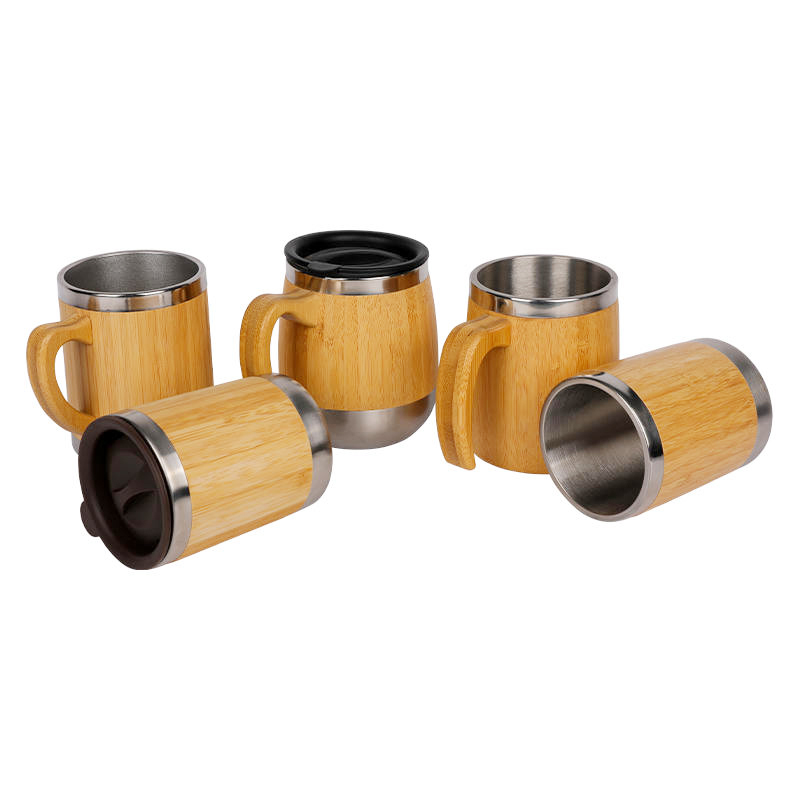
The cap on a thermos water bottle does more work than people notice until it fails. Screw-top lids with a wide mouth are common for easy filling and cleaning, while flip-top or straw-style lids suit one-handed drinking during activity. Some bottles pair a standard lid with a separate cup-style cap that doubles as a small drinking vessel, which adds versatility for buyers targeting outdoor or travel-focused retail segments.
Gasket quality inside the lid is a detail worth flagging to any supplier, since a worn or poorly molded gasket is usually the first point of failure for leaks — something retail buyers hear about quickly through customer complaints if it's overlooked.
Color, Finish, and Branding Space
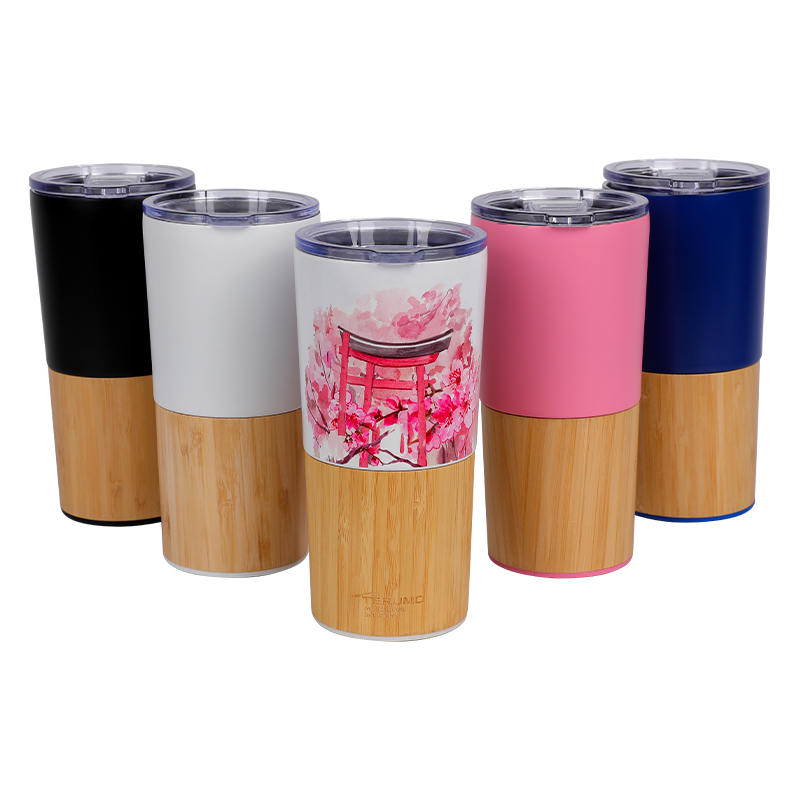
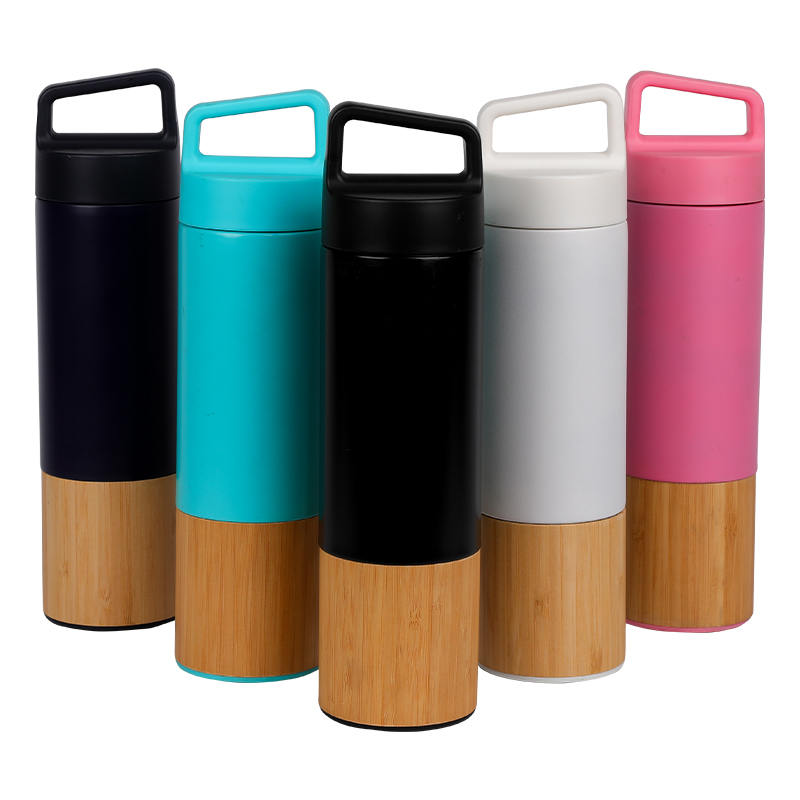
Color options for thermos water bottles run wide, from solid matte tones to gradient finishes and printed patterns aimed at younger buyers. Powder-coated exteriors tend to hold color better under daily handling than painted finishes, which matters for retail buyers stocking shelves where scuffed inventory doesn't sell as easily.
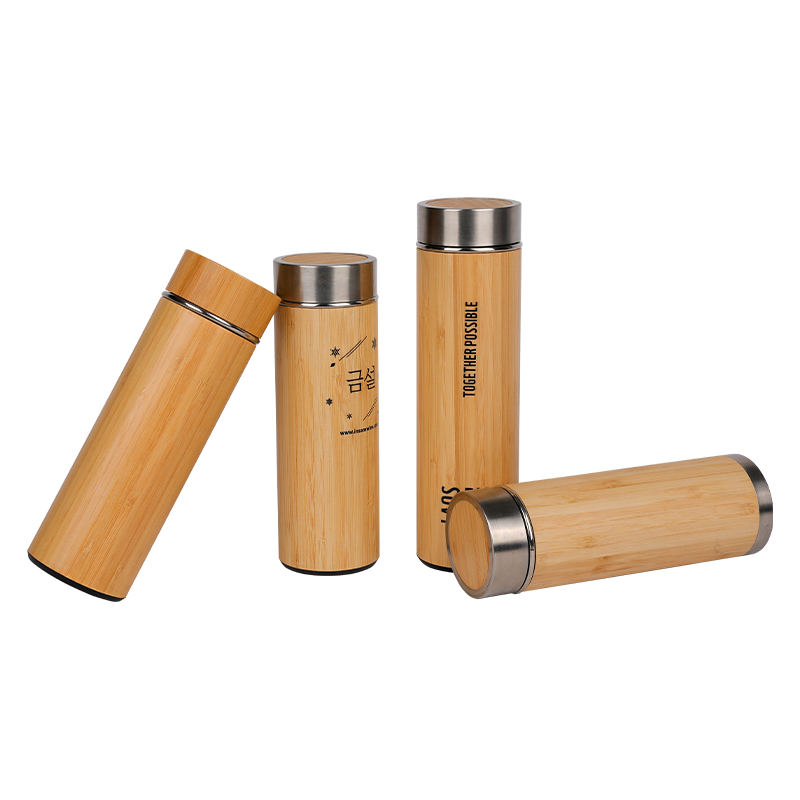
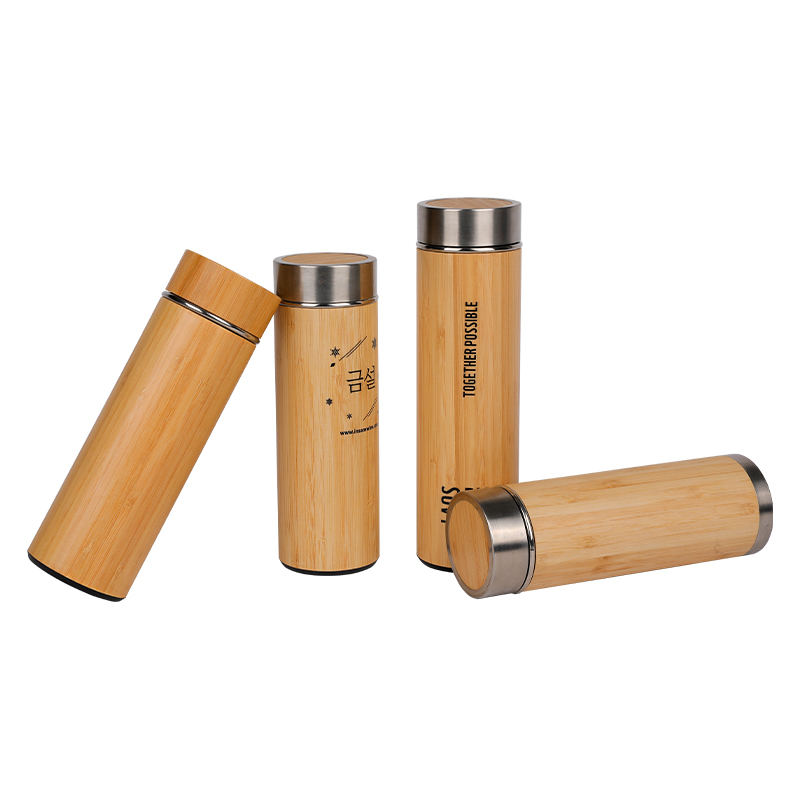
Custom branding space on the body of the bottle is a frequent request from corporate and promotional buyers, who often want a flat surface large enough for laser engraving or screen printing without disrupting the bottle's insulation layers.