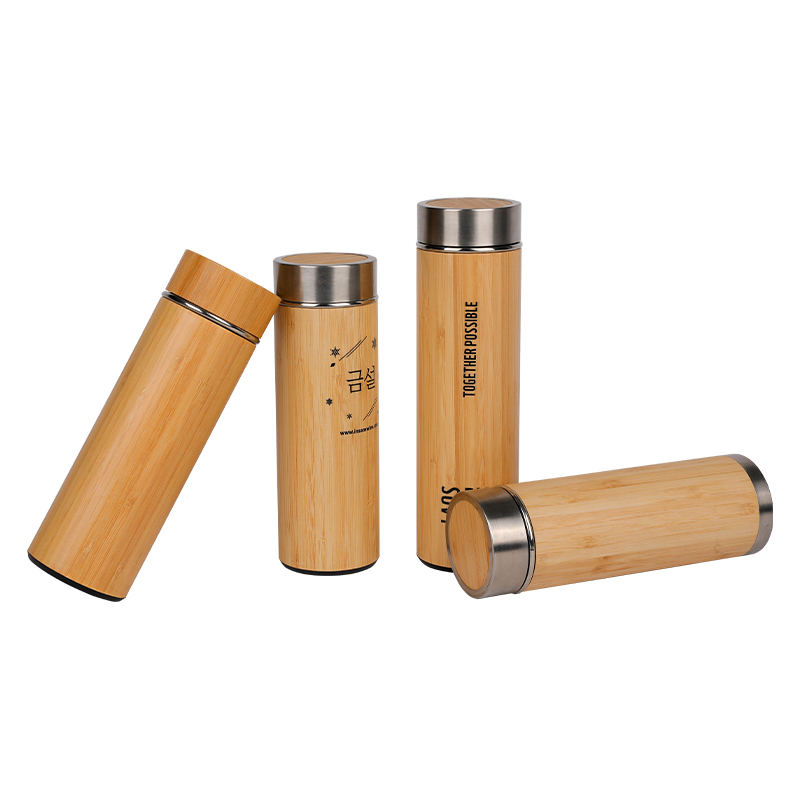
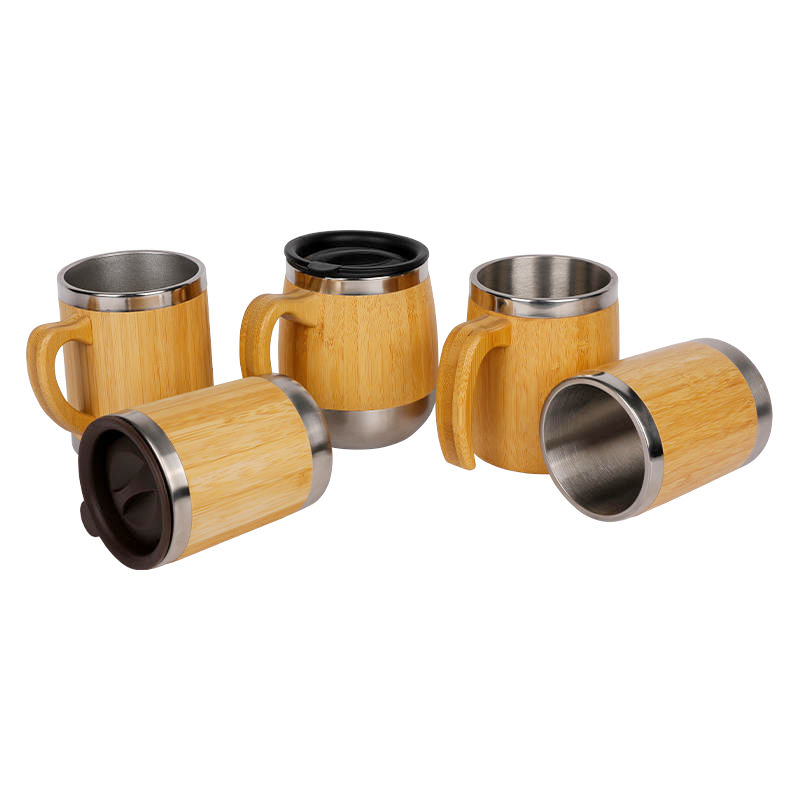
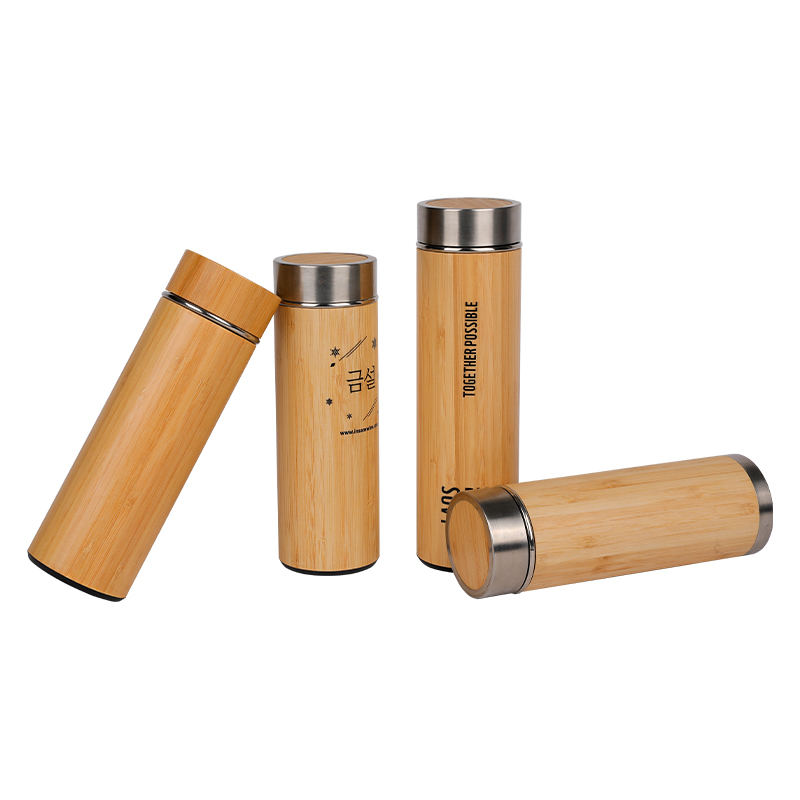
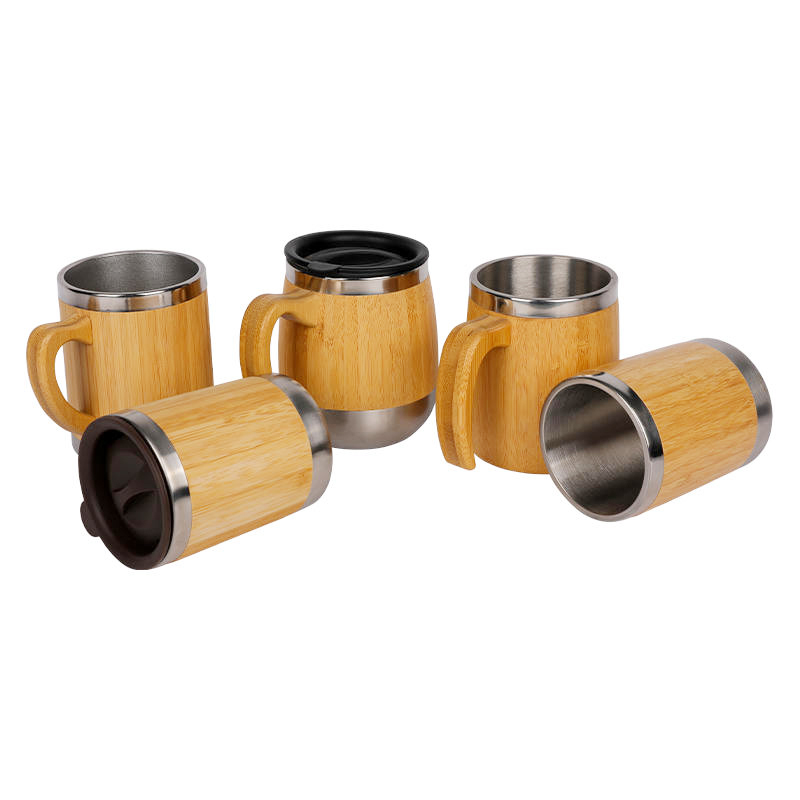
Portable drinkware has become an established product category for household goods brands, promotional merchandise suppliers, retailers, and corporate gift distributors. Among different drinkware options, stainless steel models attract attention because of their metal construction, varied surface finishes, and compatibility with insulated designs.
A Stainless steel travel mug is not simply a metal cup with a lid. Its structure may include inner and outer steel walls, an insulation layer, a drinking lid, sealing components, and an exterior finish. Each part involves different manufacturing processes, and the coordination between them determines the final product's appearance and functionality.
Stainless steel is commonly selected for travel mugs because it combines structural strength with corrosion resistance and a smooth metallic appearance. Different grades can be used depending on the intended product specifications.
SS304 is frequently used for drinkware components, including inner walls and other parts that come into contact with beverages. SS201 may also be used for selected exterior components, depending on the product design and manufacturer's material configuration.
The thickness of the steel sheet influences the forming process and the overall construction of the mug. Manufacturers need to consider the relationship between material thickness, cup dimensions, and the intended structure.
Surface appearance is another important consideration. Brushed stainless steel creates a subtle metallic texture, while polished surfaces provide a reflective appearance. Powder coating and spray painting offer additional color choices for brands developing customized drinkware collections.
Double-wall construction is a common feature of insulated travel mugs. Instead of using a single metal wall, this design consists of an inner cup and an outer shell with a space between them.
The manufacturing process generally starts with stainless steel sheets or tubes. Deep drawing is used to shape the metal into cylindrical or tapered cup components. The inner and outer sections are then prepared for assembly.
After the two walls are connected, the space between them is processed to create a vacuum-insulated structure. Air is removed from the cavity, and the opening is sealed. This reduces heat transfer between the beverage and the external environment.
The shape of the inner wall, outer shell, and bottom section needs to work together during assembly. Differences in dimensions or structural design can affect how the components fit together.
For manufacturers producing a Stainless steel travel mug, vacuum insulation is therefore an important part of product engineering rather than simply an additional feature.
Exterior finishing influences both the visual presentation and brand identity of a mug. Stainless steel surfaces can be processed in several ways to create different textures and colors.
Common finishing options include:
These finishing methods give manufacturers flexibility when developing drinkware for different retail collections and promotional projects.
Stainless steel travel mug manufacturing combines metal forming, double-wall construction, vacuum insulation, plastic molding, and surface finishing. Every component contributes to the finished product's structure and appearance. For overseas buyers, understanding these processes makes communication with manufacturers more straightforward and provides a useful foundation for developing customized drinkware products for retail, corporate gifts, and promotional merchandise.
+86-15888916245