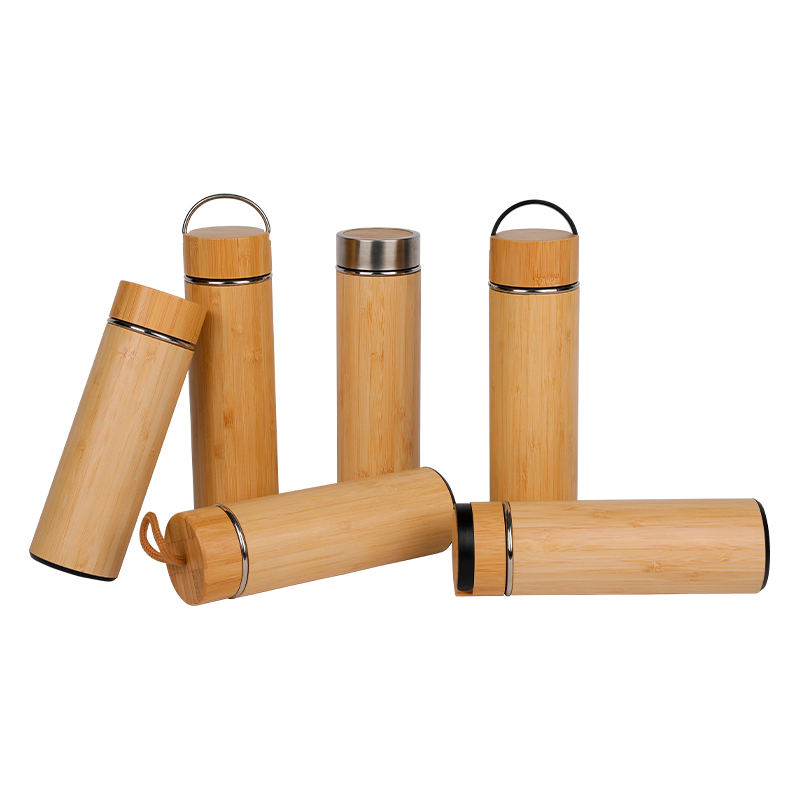
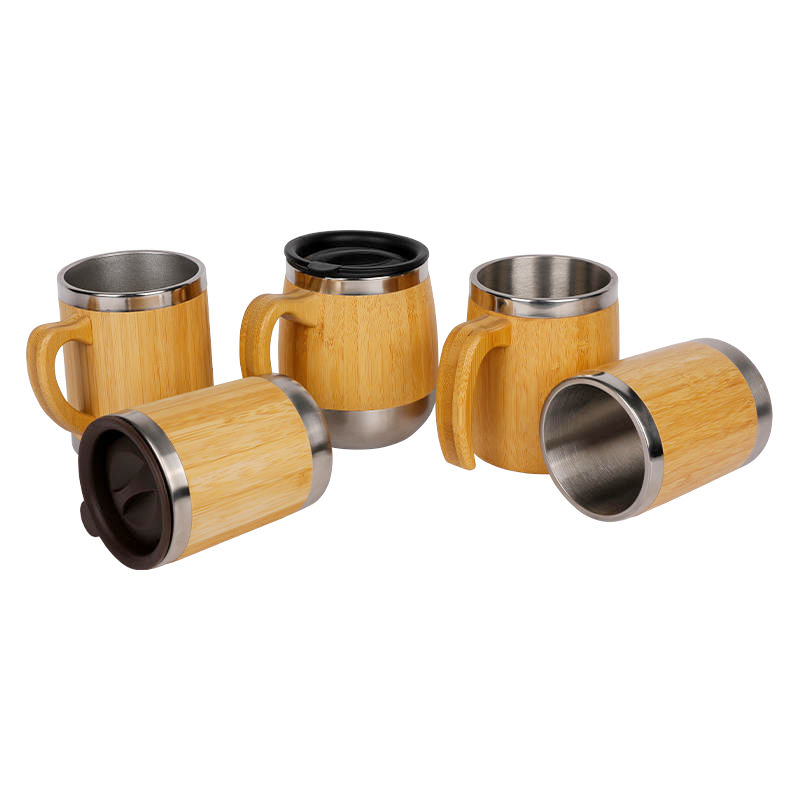
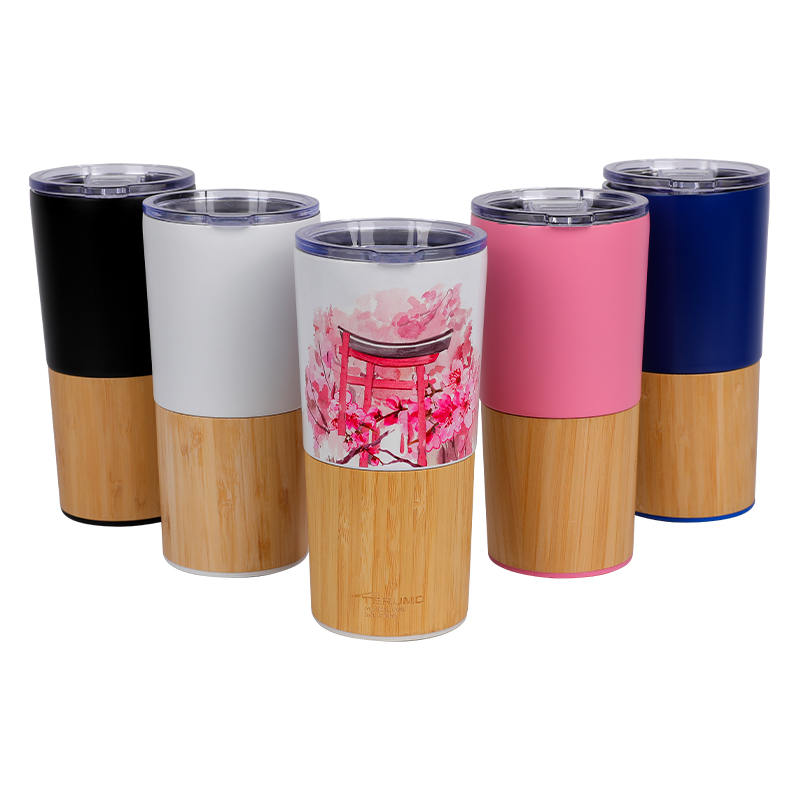
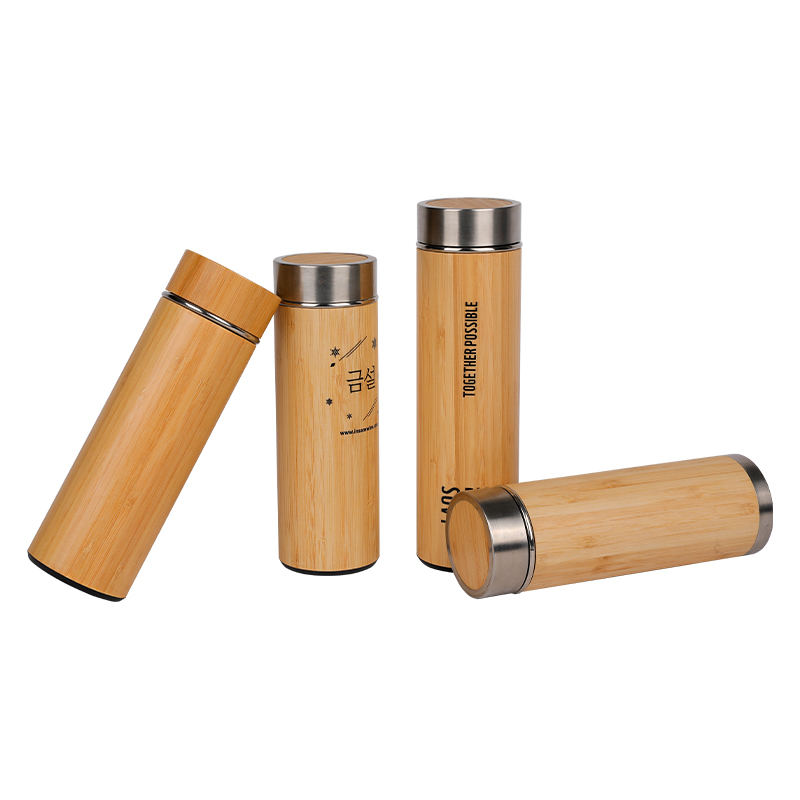
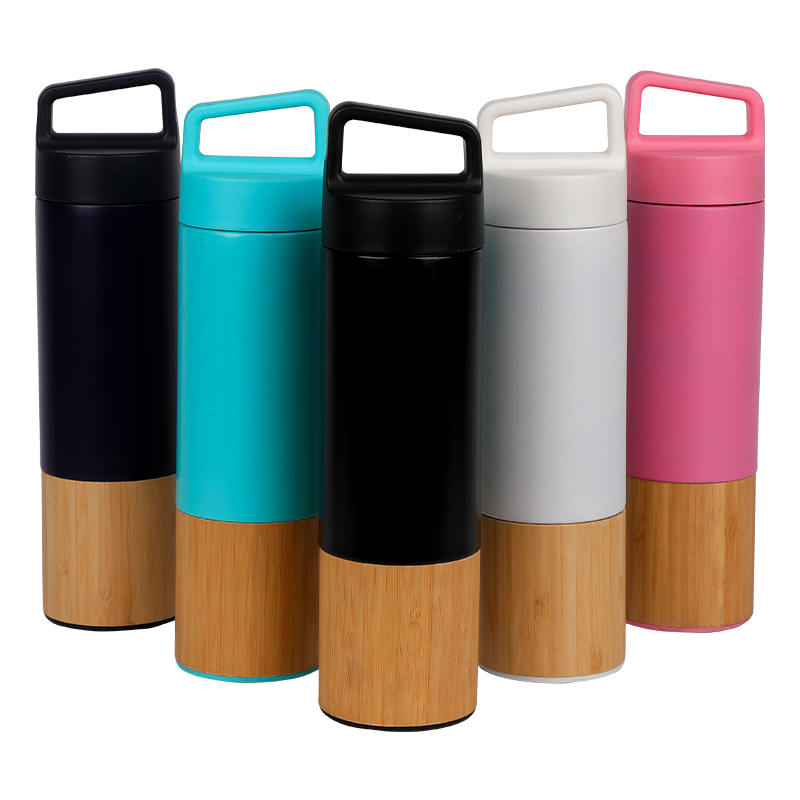
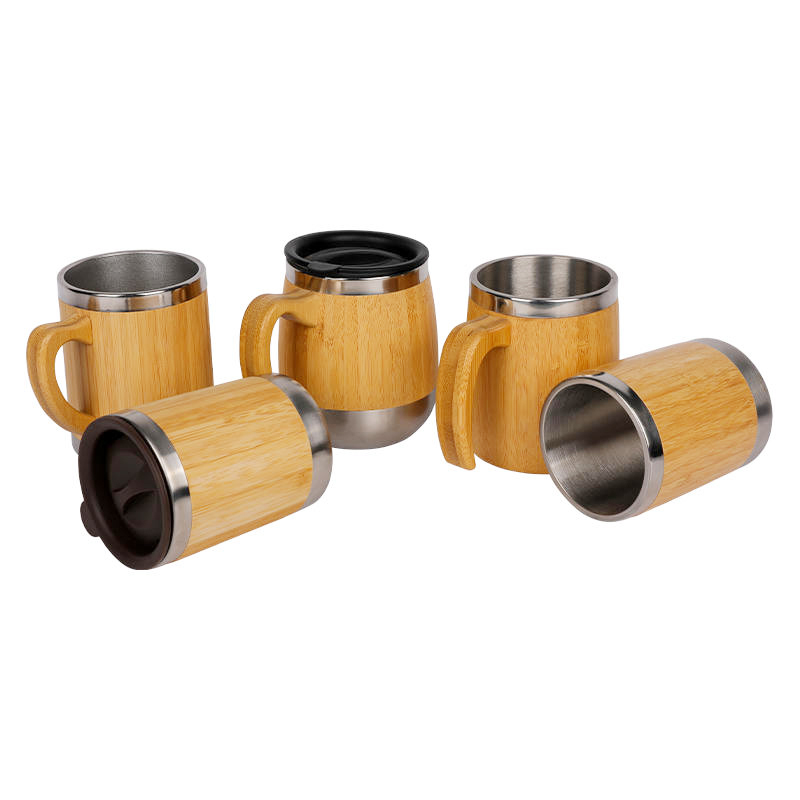
A thermos bottle may look like a simple container, but its manufacturing involves several connected processes. Material selection, inner-wall construction, vacuum insulation and lid assembly all influence the finished product.
As demand varies across office supplies, outdoor equipment, promotional products and daily drinkware, manufacturers need to consider different capacities, shapes and functional requirements. The production of a Thermos bottle therefore involves more than forming a stainless steel container. It requires coordination between structural design, processing technology and assembly.
Stainless steel is widely used in insulated drinkware because of its mechanical properties and suitability for forming. Different grades may be selected according to the intended product design and manufacturing requirements.
Common material options include:
Material thickness also affects the finished product. A thinner wall can reduce overall weight, but manufacturers still need to consider forming stability and structural strength.
For buyers sourcing a Thermos bottle, material specifications should be discussed alongside product dimensions, capacity and intended applications. This makes it easier to confirm whether the proposed construction matches the purchasing requirements.
Vacuum insulation is a key structural feature of many stainless steel insulated bottles. Most double-wall designs contain an inner liner and an outer shell, creating an enclosed space between the two walls.
During production, air is extracted from this space to create a vacuum layer. Since the vacuum reduces heat transfer through gas conduction and convection, it helps the bottle retain the temperature of its contents.
The manufacturing process generally involves several stages:
The connection between the inner liner and outer shell requires careful processing. Welding quality and sealing conditions can influence vacuum stability. For manufacturers, process control at this stage is closely related to the thermal performance of the finished product.
The lid is another important part of a Thermos bottle. Its structure affects drinking convenience, sealing performance and compatibility with the bottle opening.
Different lid designs serve different product requirements:
Sealing components, including silicone rings and gaskets, need to match the lid structure. Their dimensions and installation positions affect how the lid connects to the bottle mouth.
For manufacturers, lid development should be coordinated with bottle neck dimensions. Even when the bottle body is completed, an incompatible lid can create difficulties during final assembly.
Thermos bottle manufacturing combines metal forming, vacuum processing, component assembly and surface finishing. Each stage contributes to the structure and functionality of the finished drinkware.
For overseas importers, wholesalers and private-label brands, understanding these production details provides a practical basis for evaluating suppliers and developing product collections that match different market requirements.
+86-15888916245