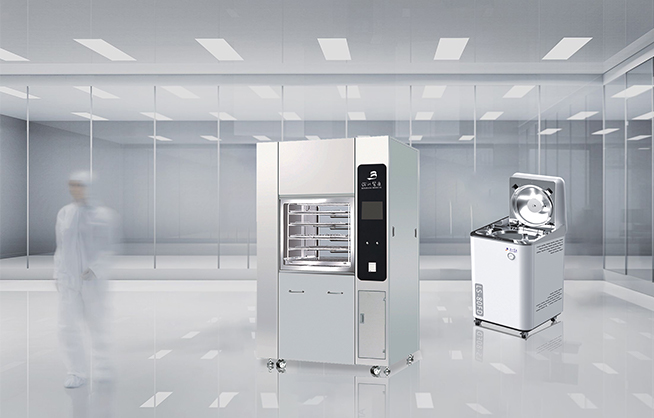
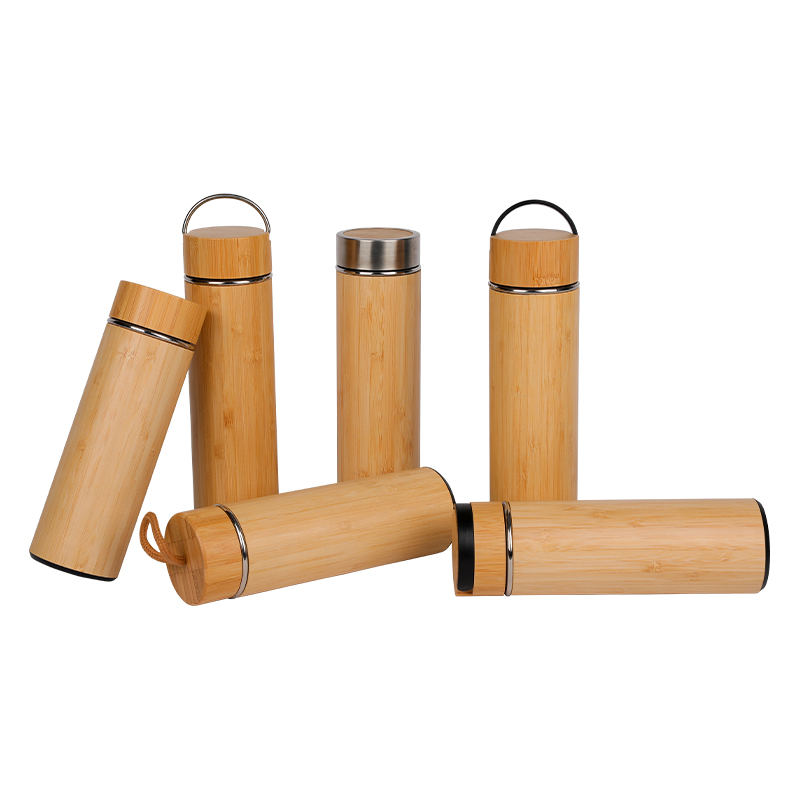
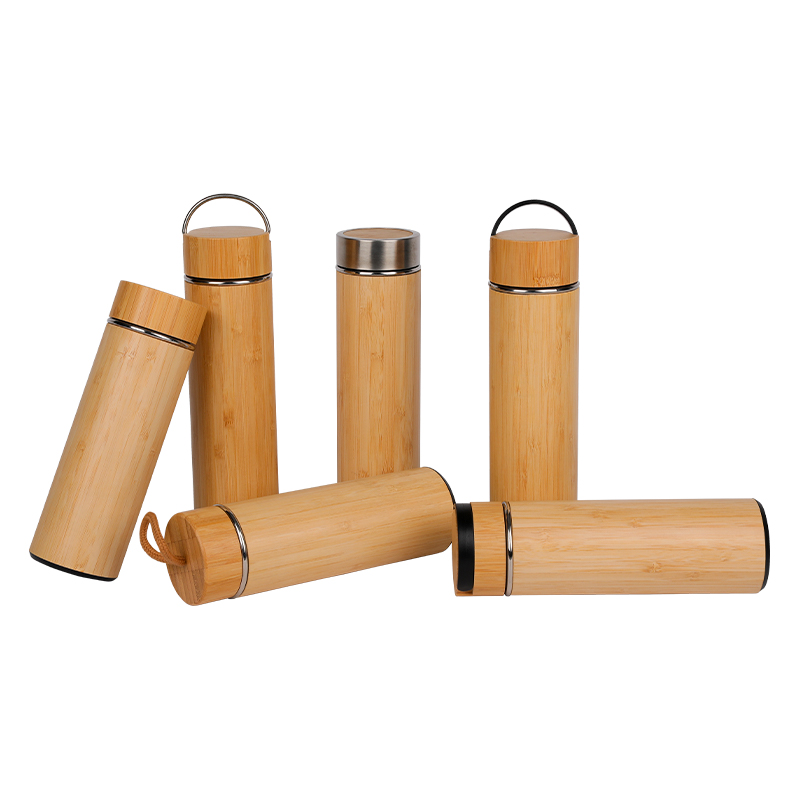
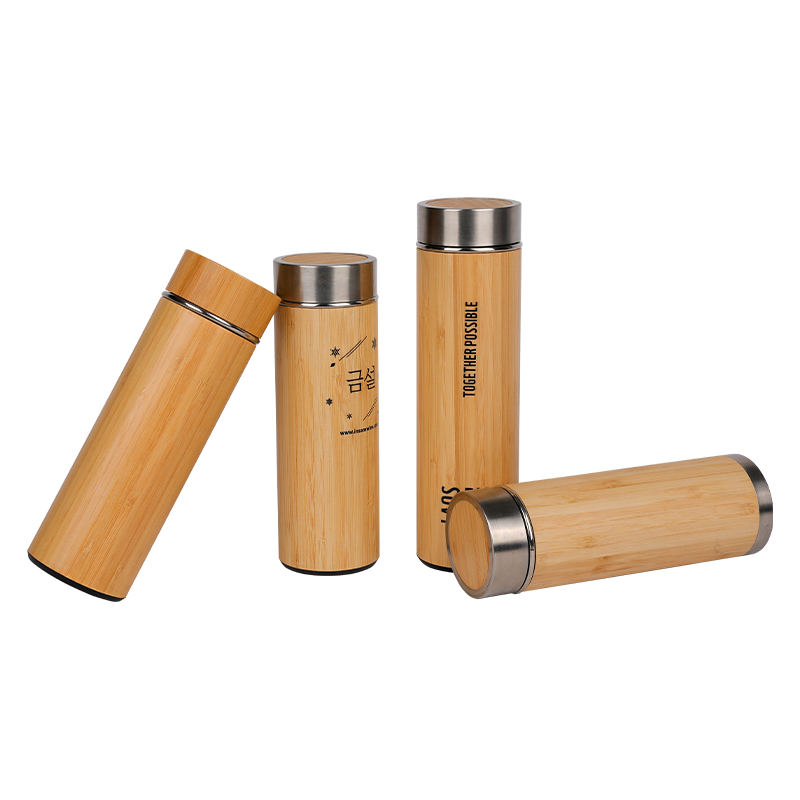
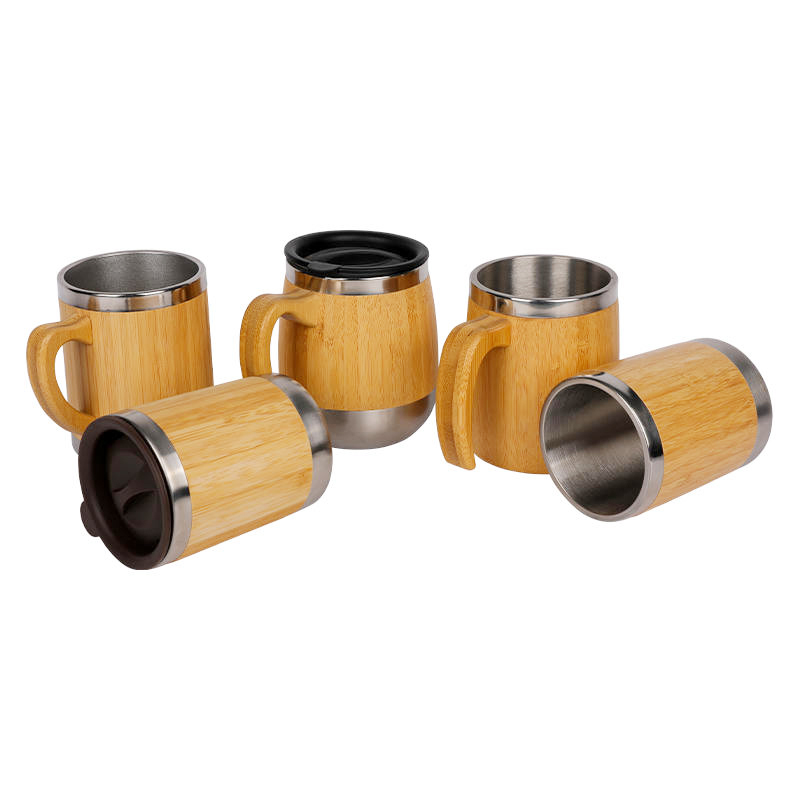
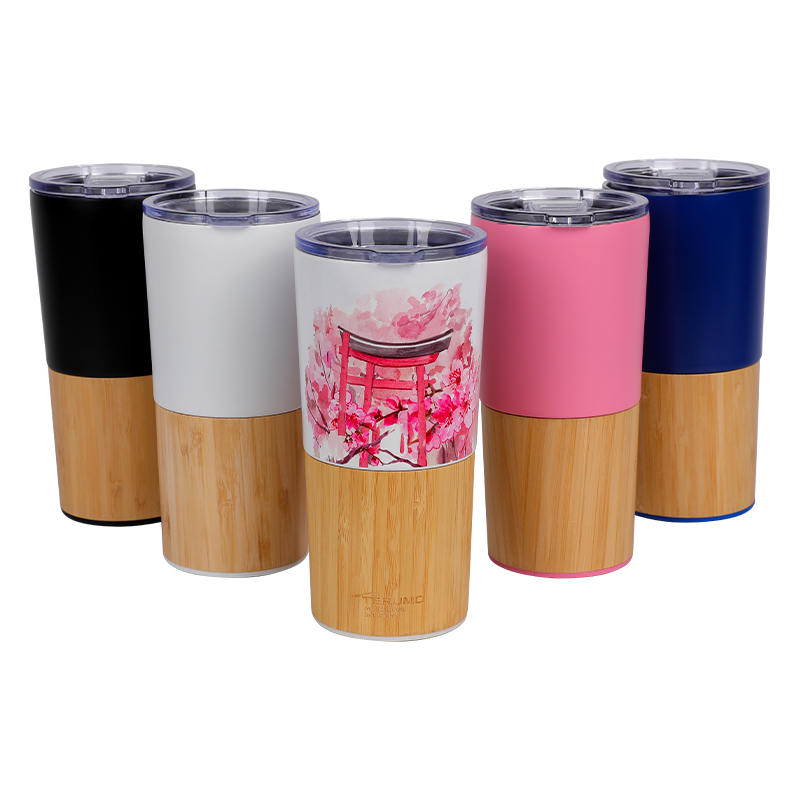
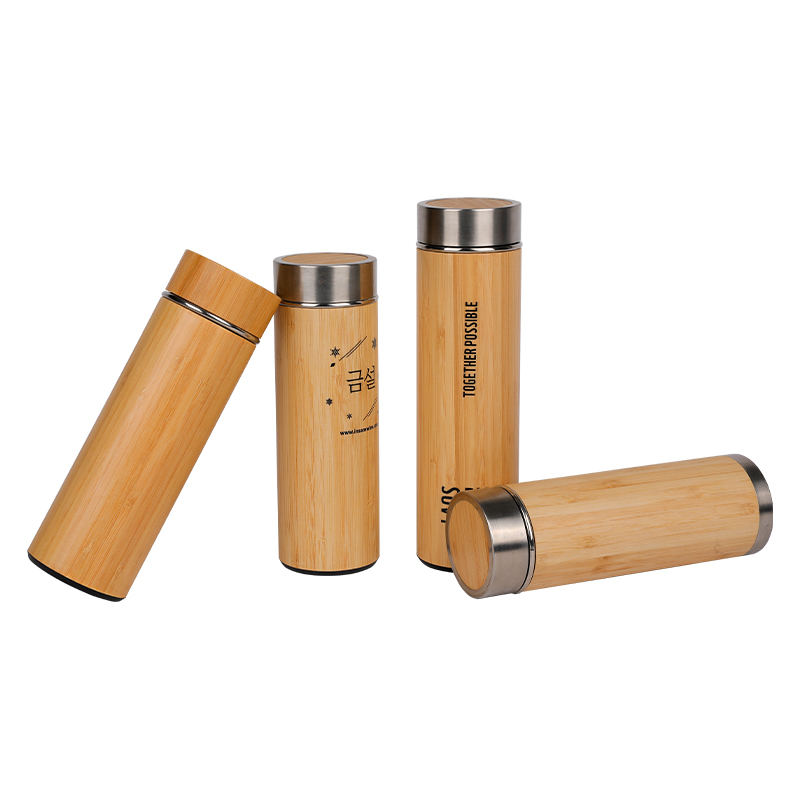
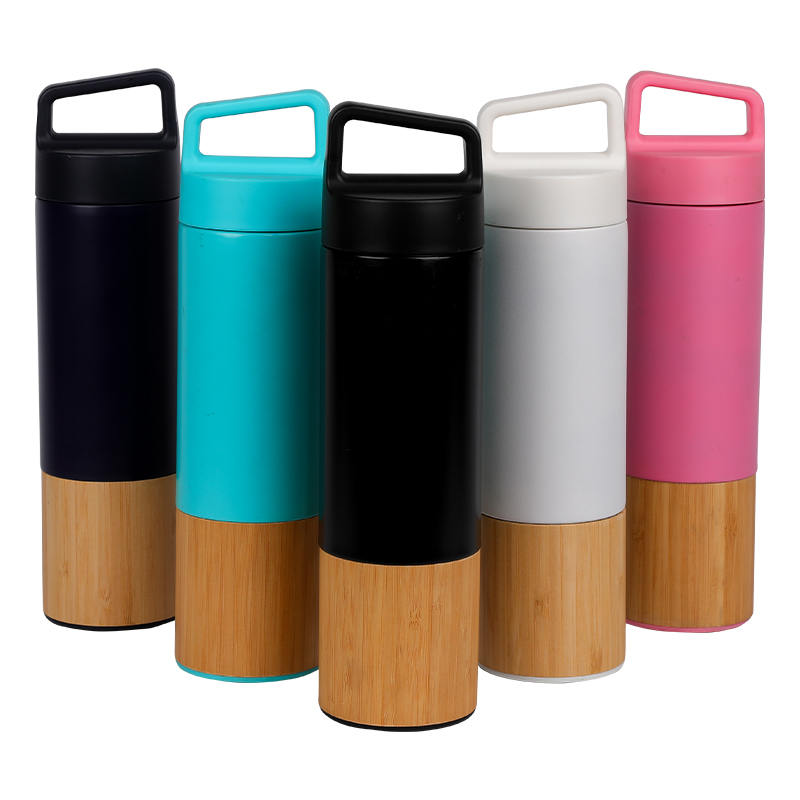
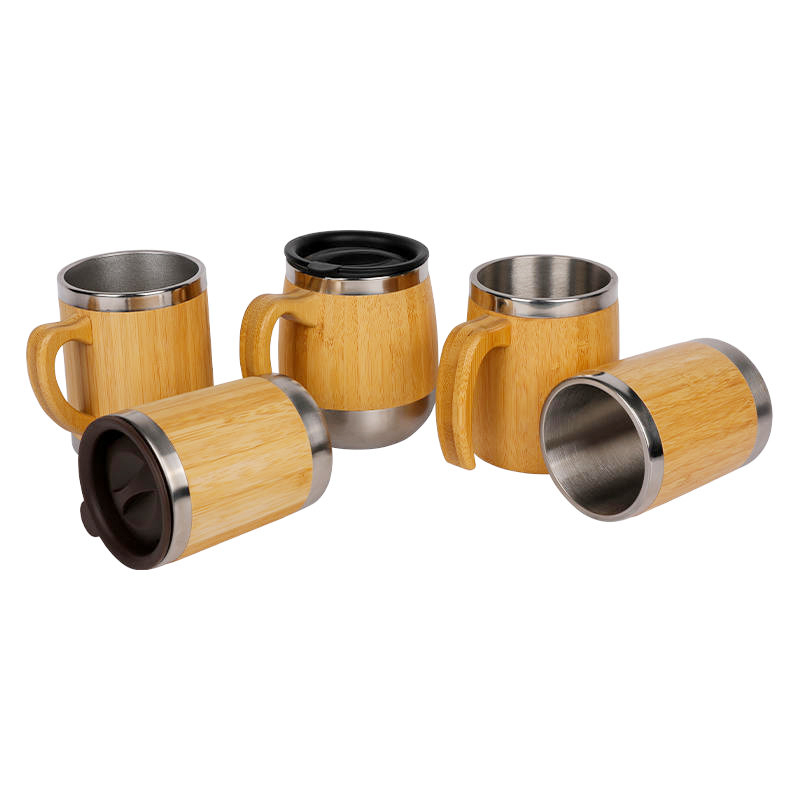
Not long ago, an insulated tumbler was the kind of thing you'd find strapped to a backpack on a mountain trail or tucked into a camping kit. Today, it's sitting on the desk next to someone's keyboard, riding in the cupholder of a morning commute, and getting refilled at the gym between sets. That shift didn't happen by accident. It happened because the product genuinely solves a problem people deal with every day — and it does so without asking much in return.
The idea is simple enough. Two walls of stainless steel with either vacuum-sealed air or insulating material between them. Heat can't transfer easily without air to carry it, so whatever's inside stays at its temperature far longer than it would in a glass or a standard mug. Cold brew stays cold through a three-hour meeting. Ice water doesn't turn lukewarm twenty minutes into a walk. Hot tea holds its warmth through a slow morning. People notice that difference fast, and once they do, going back to a regular cup feels oddly frustrating.
What makes the insulated tumbler's rise interesting is how much ground it covers. It's not just a product for one type of person or one type of drink. Coffee drinkers use them. So do people who are just trying to hit their daily water intake without making twelve trips to the kitchen. The same basic design serves someone on a construction site at 7 a.m. and someone doing afternoon yoga. That kind of versatility is rare, and it explains why the category keeps growing even as more options crowd the market.
The environmental angle has added real momentum too. Disposable cups — the paper ones with plastic lids that pile up in trash cans outside every coffee shop — have come under legitimate scrutiny. They're convenient in the moment and wasteful in the aggregate. A reusable tumbler is a straightforward alternative, and a lot of coffee shops have started rewarding customers who bring their own containers with small discounts. It's not a dramatic lifestyle overhaul. It's just a different object to grab on the way out the door.
Picking one comes down to how you actually use it. A 20-ounce tumbler is enough for someone who prefers smaller, more frequent refills. If you're the type who wants to fill up once and not think about it again until dinner, a 40-ounce option makes more sense. Lid design matters more than people expect — a sliding sip lid is better for hot drinks, while a straw lid suits cold beverages on the move. And if yours is going to live in a car, check whether it actually fits the cupholder before you commit. Plenty don't.
Cleaning is easy. Most are dishwasher-safe, though hand washing keeps the exterior looking better over time. If your lid comes apart, pull it apart every so often and rinse around the gasket — residue builds up there quietly.
The reason insulated tumblers have stuck around is less about trends and more about reliability. They do what they're supposed to do, they last for years, and they fit into routines without requiring any adjustment. That's a harder combination to find than it sounds.