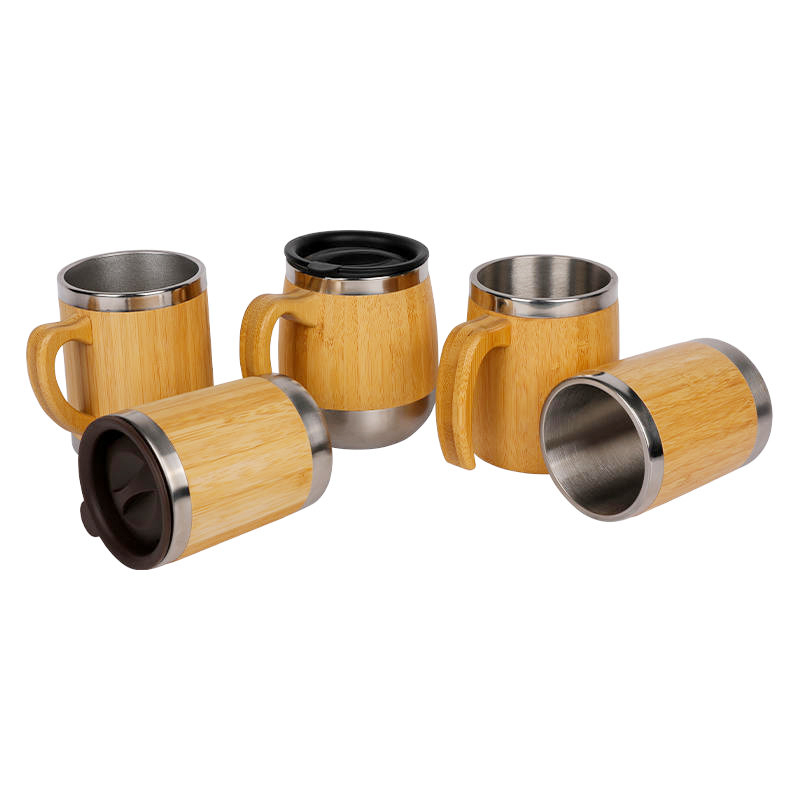
Thermal bottles work through vacuum insulation — a concept that sounds technical but is really just about eliminating the main way heat moves between a container and the air around it. Two walls of stainless steel, the space between them emptied of air. Without air present, heat has almost nothing to travel through.
The result is that hot drinks stay hot for somewhere between eight and twelve hours in everyday use, and cold drinks can hold their temperature for close to a full day. Those figures vary depending on the outside temperature and how often the bottle is opened, but they hold up reasonably well in real conditions — not just in controlled testing environments.
Some thermal bottles go a step further and line the inner wall with copper, which reflects radiant heat back into the liquid rather than letting it escape. It is a subtle improvement, but users who carry very hot drinks for extended periods do notice the difference.
Why Stainless Steel Ended Up Dominating This Category
A few different materials have competed for space in the thermal bottle market, and stainless steel has pulled ahead for reasons that make sense once you think about daily use rather than just purchase-day impressions.
Glass thermal bottles have a devoted following — no taste transfer, no odor absorption, easy to see when they need cleaning. But glass breaks. It adds weight. It limits where you can realistically take the bottle without worrying about it. Those trade-offs are manageable for some people and genuinely frustrating for others.
Plastic-lined options solve the weight problem but introduce their own complications. Insulation performance tends to drop off faster, and the long-term questions around plastic and heat have not gone away for a lot of consumers.
Stainless steel handles daily punishment without complaint. It does not hold onto the smell of yesterday's coffee. It does not dent easily. And it does not react with acidic drinks. For something that is going to be used and washed repeatedly for years, that combination of properties matters more than it might seem at first.
The Things That Actually Separate a Good Thermal Bottle from a Frustrating One
Once you narrow the search to stainless steel, the differences between bottles come down to construction details that are easy to overlook on a product page.
Lid quality is where corners tend to get cut. A lid that does not seal reliably will leak — usually in a bag, usually near something that should not get wet. Silicone gaskets and secondary locking mechanisms are worth looking for. Basic screw-tops with no seal tend to develop problems over time.
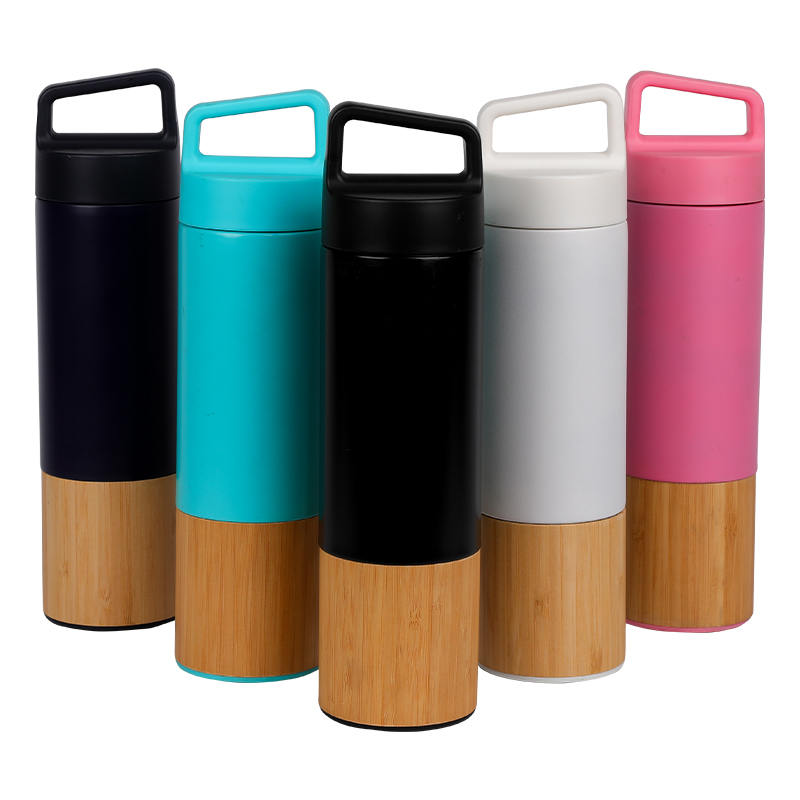
Mouth width shapes how you actually use the bottle day to day. Wide-mouth openings accept ice without any maneuvering and are straightforward to clean with a bottle brush. Narrow-mouth designs pour more cleanly and work well for hot drinks, but can be harder to maintain properly without the right cleaning tools.
Capacity is a more personal decision than it looks. A 40 oz bottle that never quite fits in a bag side pocket tends to get left at home. Matching size to how and where the bottle will actually be carried makes a meaningful difference in whether it becomes a daily habit or an occasional one.