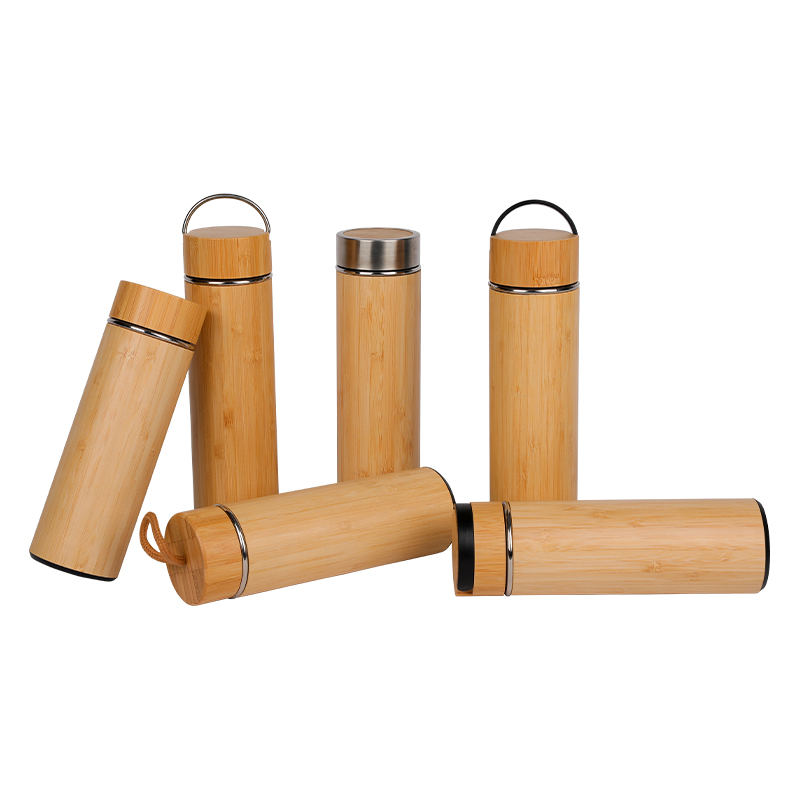
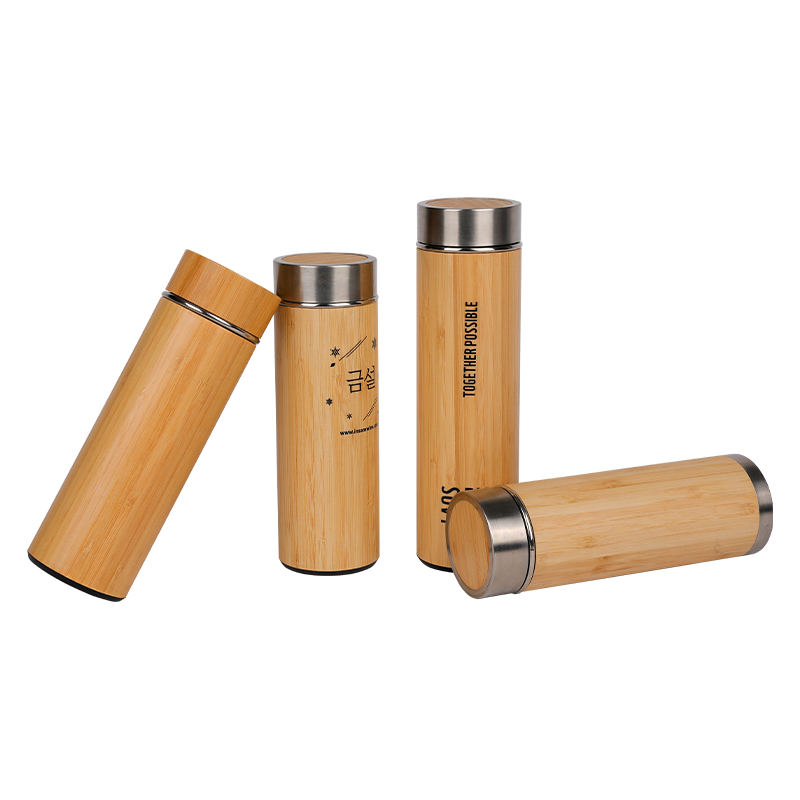
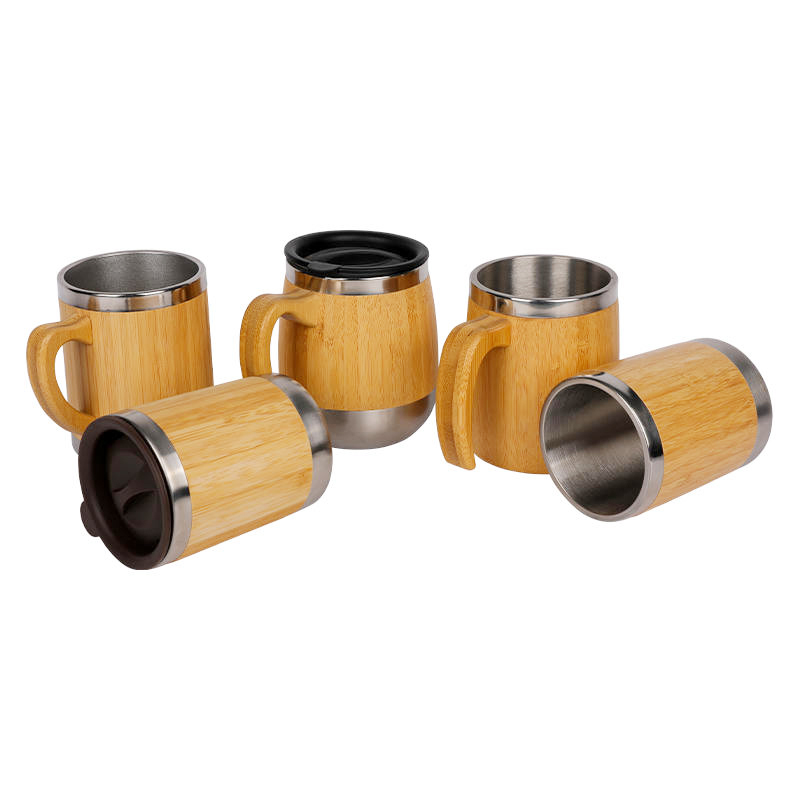
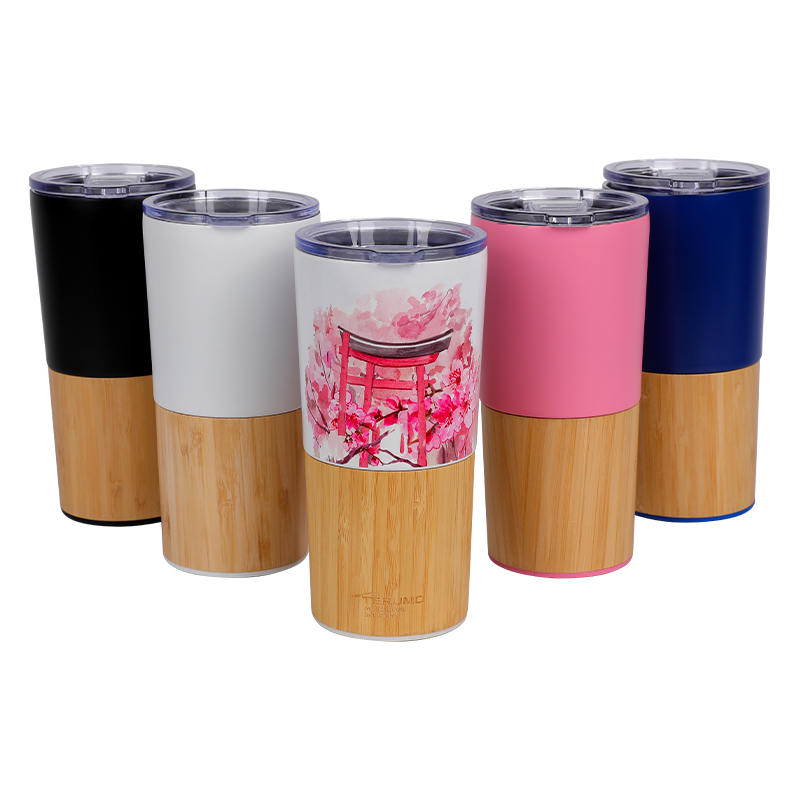
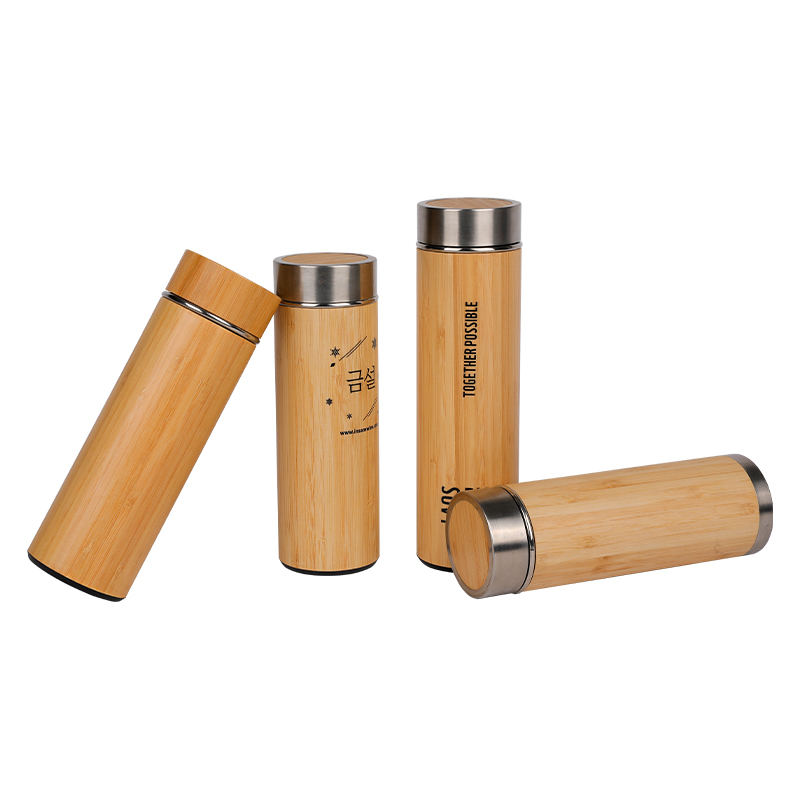
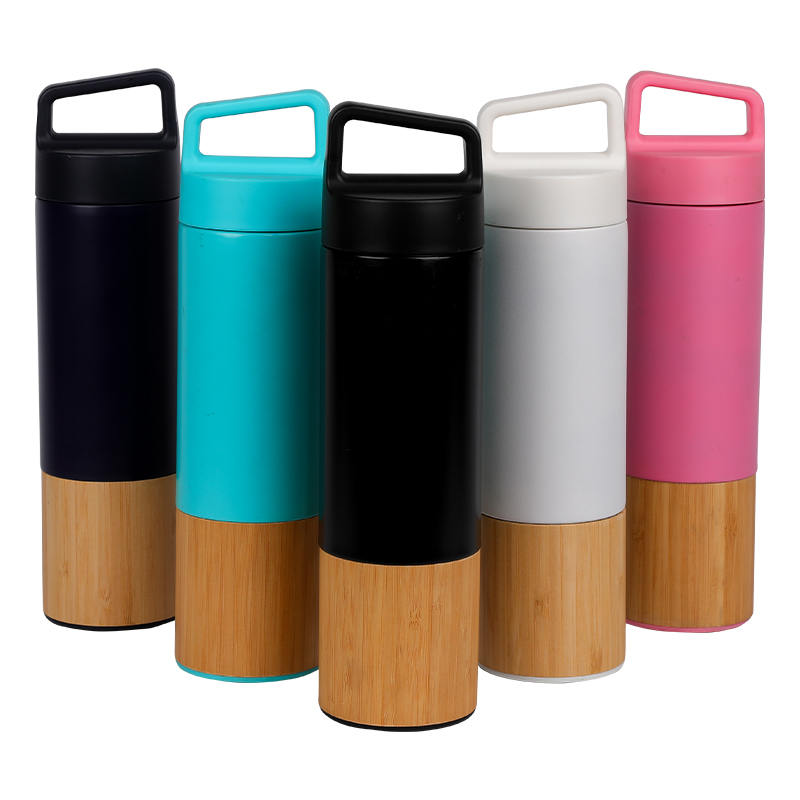
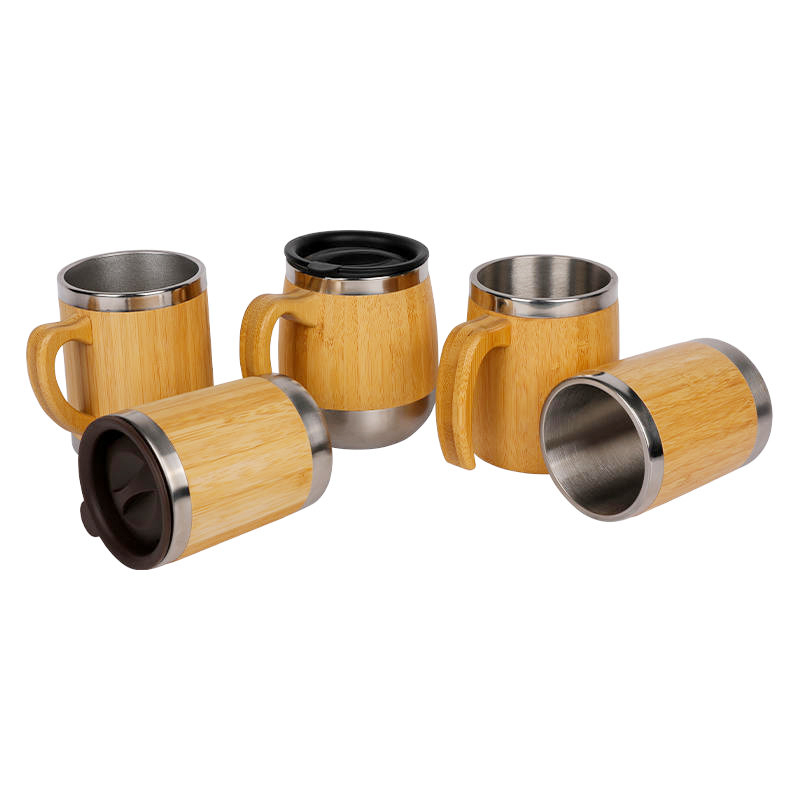
The journey of a 30 oz tumbler begins with raw materials. Stainless steel sheets or BPA-free plastics are carefully cut and molded into precise cylinder shapes. Modern stamping machines and CNC tools ensure that every curve and seam aligns correctly. For stainless steel versions, manufacturers use deep drawing techniques that gradually stretch metal into uniform walls, preserving strength without adding extra weight. This method allows the tumbler to maintain structural integrity while offering the large 30 oz capacity.
Once the basic shape is complete, the tumbler undergoes surface treatments. Brushed or polished finishes are common, providing both aesthetic appeal and resistance to minor abrasions. For plastic variants, injection molding ensures a consistent wall thickness and smooth surface that can withstand repeated use. At every stage, inspection systems detect even minor imperfections to maintain quality standards suitable for daily consumption.
Advanced Insulation: Keeping Temperatures Steady
A defining feature of the 30 oz tumbler is its ability to maintain beverage temperature. Many tumblers use double-wall construction, where two layers of material are separated by a vacuum or insulating gel. This design slows the transfer of heat or cold, allowing drinks to remain near their intended temperature for hours.
Thermal insulation requires precise welding or bonding methods. For stainless steel models, TIG welding is commonly applied to join walls seamlessly, preventing leaks while maintaining the vacuum gap. Plastic tumblers rely on chemical bonding techniques that create airtight compartments between layers. These tumblers feature precise engineering and tested thermal designs, providing dependable performance while holding iced tea on a summer afternoon or coffee during a morning commute.
Function Meets Design: Lids, Seals, and Grip
A tumbler’s usability often depends on its lid, sealing system, and grip design. Silicone gaskets create a tight seal that prevents spills, while twist-on or flip-top lids add convenience during travel. Some designs feature integrated straws or sliding openings to make drinking easier on the go. Additional lid features, such as locking mechanisms or wide openings, improve safety and make filling or cleaning simple.
Ergonomics also plays a role. Curved contours, textured grips, or non-slip coatings ensure the 30 oz tumbler feels secure in hand. Manufacturing teams use 3D modeling and prototype testing to refine these features before mass production. Engineers often simulate real-life scenarios, such as carrying the tumbler in a bag or holding it during commuting, to confirm comfort and functionality. This step ensures that the final product is intuitive, practical, and comfortable during repeated use.
Everyday Life: Practical Uses of a 30 oz Tumbler
Once produced, the 30 oz tumbler demonstrates its versatility in daily routines. Large capacity makes it suitable for long workdays, road trips, or gym sessions. Users can carry a variety of beverages—from hot coffee to chilled water—without frequent refills.
The tumbler also adapts to accessories such as car cup holders, cooling sleeves, or carrying handles, increasing convenience in diverse scenarios. Its sturdy design withstands the pressures of commuting or outdoor activity, while smooth interiors make cleaning easier. These practical features highlight how thoughtful manufacturing and engineering translate into consistent user experience.