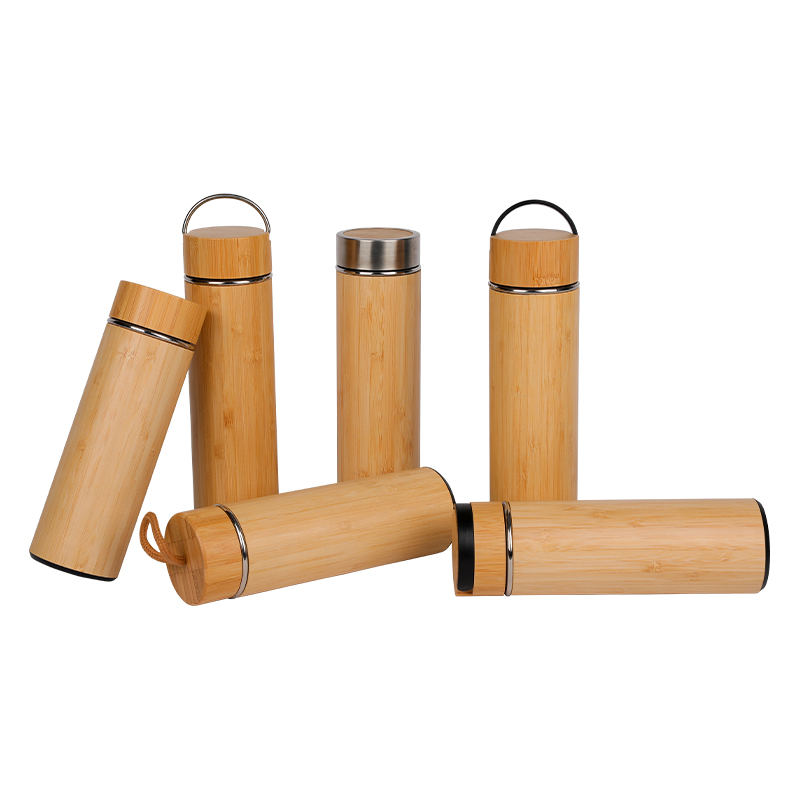
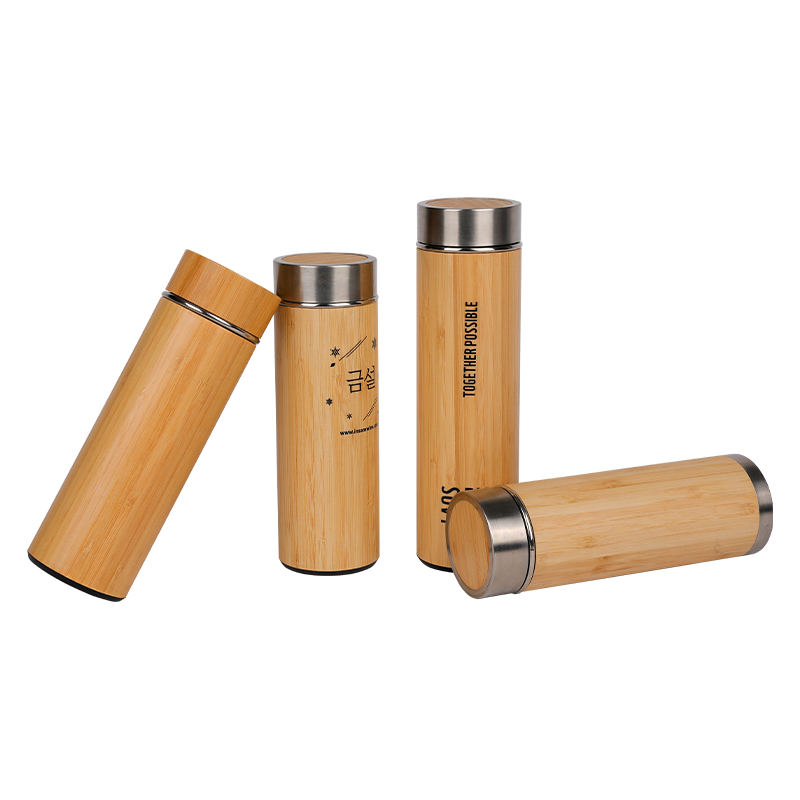
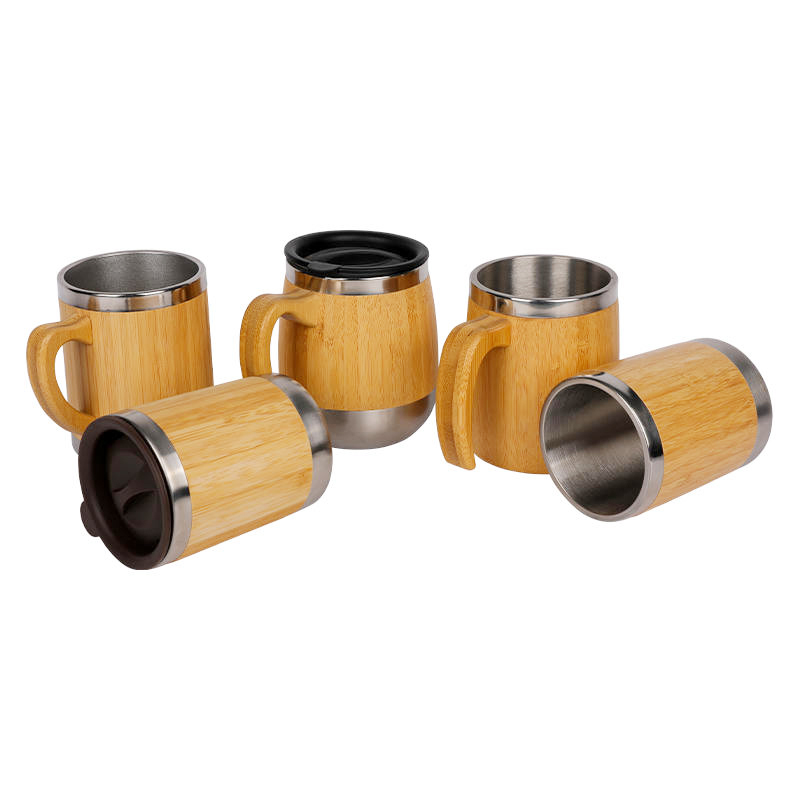
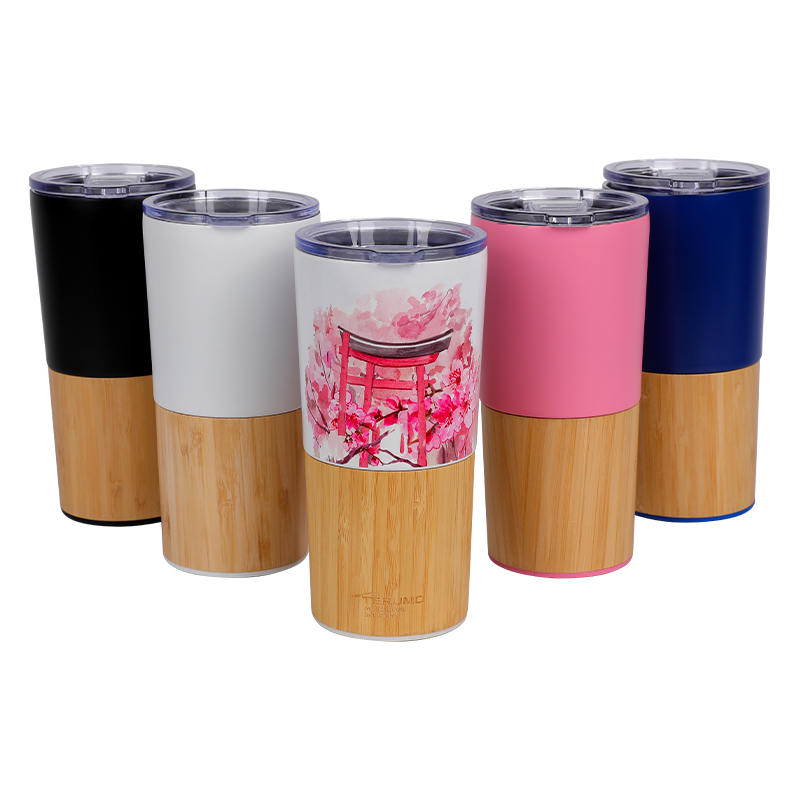
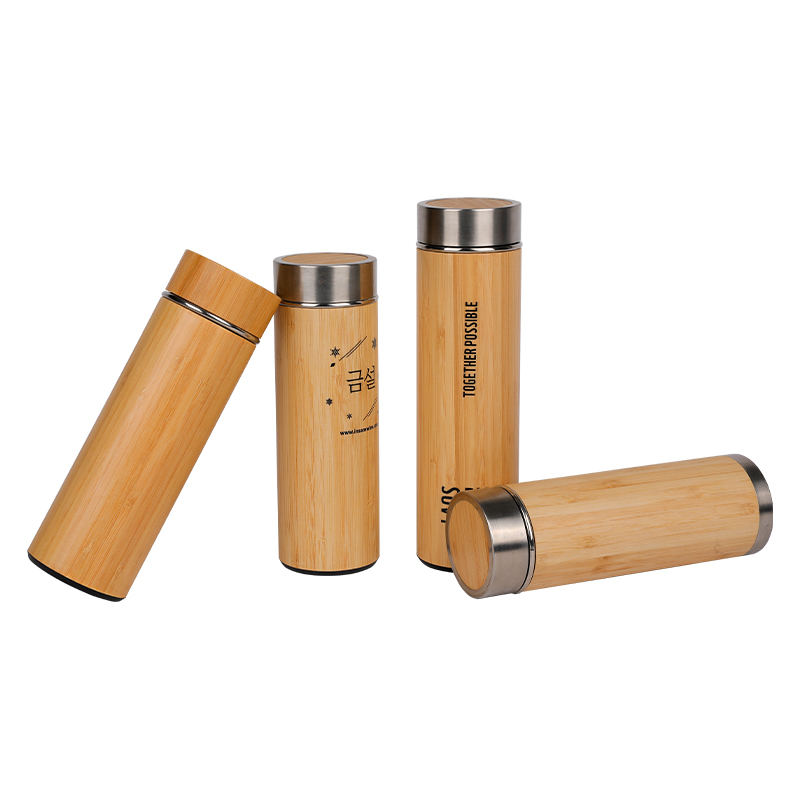
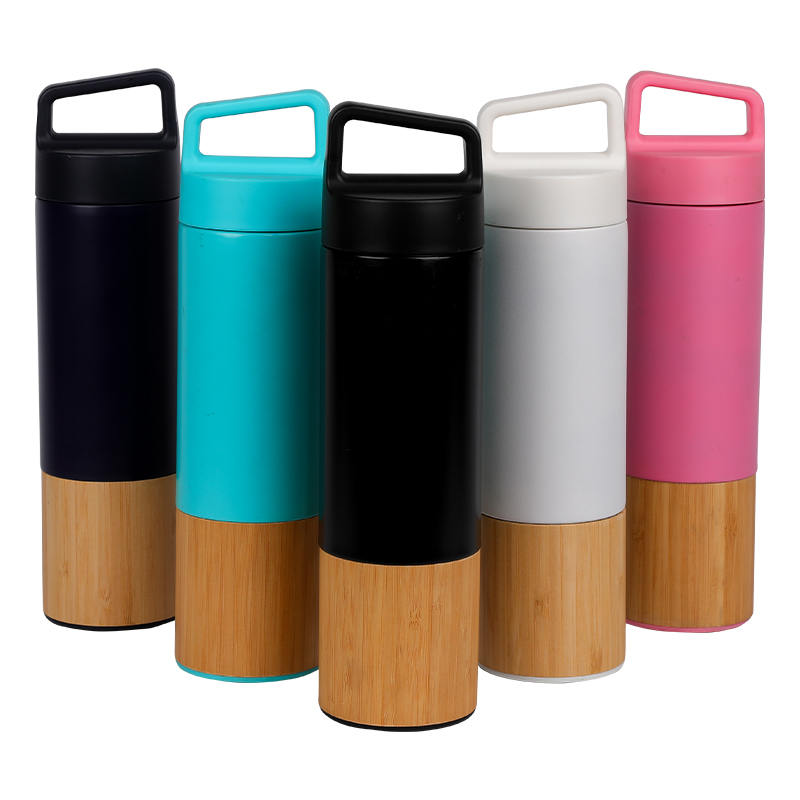
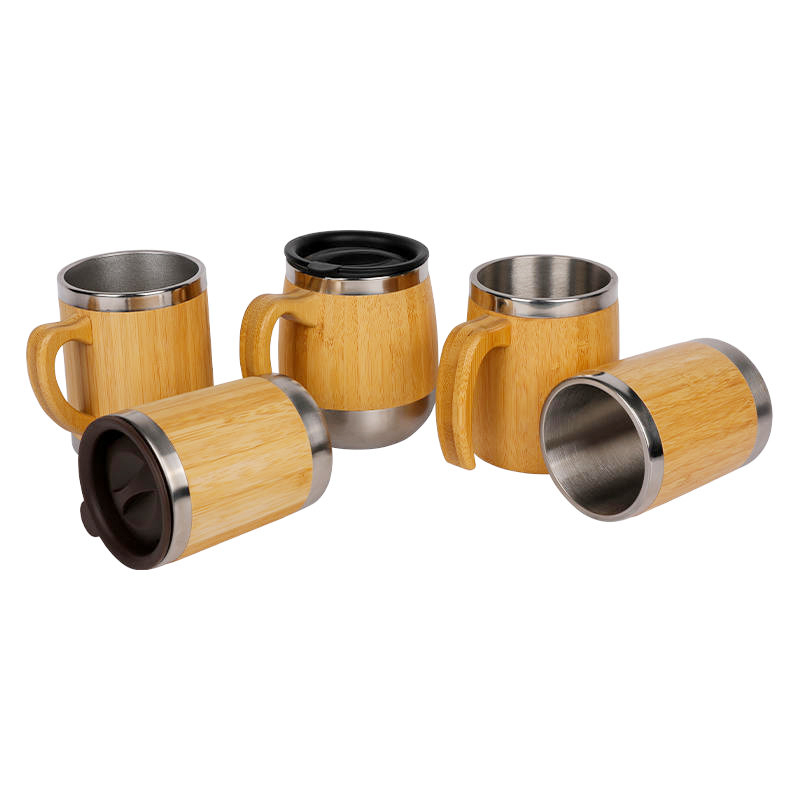
Sports water bottles have become a practical companion for people with active lifestyles. Designed to hold liquids securely, these bottles often feature leak-resistant caps, ergonomic shapes, and durable materials that handle repeated use. Manufacturing focuses on precision molding and quality control to create containers that are both functional and reliable. Every bottle goes through careful checks to ensure threads align properly and seals perform consistently.
Production begins with selecting food-grade plastics, stainless steel, or other durable materials. These materials undergo molding processes that form the main body, caps, and drinking mechanisms. Advanced techniques such as injection molding or pressing allow uniform thickness and strength throughout the bottle. After forming, components are polished, tested for leaks, and assembled to create a finished product that meets both durability and usability standards. Workers inspect bottles for imperfections, while machines ensure consistent measurements across thousands of units.
Sports water bottles often feature ergonomic designs that fit comfortably in hands or cup holders. Shapes may vary from wide-mouth cylinders to slim profiles with textured grips, allowing users to carry them easily during activities. Caps are designed to open smoothly with one hand, often incorporating flip tops, push buttons, or twist closures. These features reduce distractions during workouts and provide immediate access to hydration. Some bottles include measurement markers, helping users monitor intake, while others integrate removable straws for convenience.
In everyday use, sports water bottles are appreciated for their versatility. Athletes use them for quick sips during training, hikers rely on them for steady hydration on trails, and office workers find them handy for maintaining liquid intake throughout the day. Their durability ensures they withstand repeated handling, minor drops, and temperature changes, while the lightweight design keeps them portable. The balance of form and function allows users to focus on activity without worrying about spills or leaks.
Performance testing is an essential part of production. Bottles are subjected to stress tests, including pressure, drop, and temperature trials, to ensure reliability. Caps and seals are evaluated to confirm they prevent leakage under normal and active conditions. By addressing these practical considerations during manufacturing, companies ensure that every bottle functions smoothly in daily life. The result is a product that delivers convenience, safety, and ease of use.
Sports water bottles are designed for efficient cleaning and handling. Smooth internal surfaces, removable components, and wide openings allow thorough cleaning, preventing residue buildup. Lightweight construction and balanced weight distribution make bottles easy to carry during extended activity. Small design details, such as a subtle curve for grip or a flat base for stability, contribute to the overall user experience.
Sports water bottles also support a variety of beverages, from water and juice to sports drinks. Material choice ensures that liquids remain safe to drink and do not interact negatively with the bottle itself. Bottles maintain temperature for short periods, keeping drinks comfortable for immediate consumption. The combination of material strength, ergonomic design, and careful assembly results in a product that serves daily hydration needs reliably and conveniently.
In summary, sports water bottles show thoughtful design and practical engineering. Precise manufacturing ensures everyday usability, bringing consistency, convenience, and functionality to hydration routines. In gyms, outdoors, or workplaces, sports water bottles deliver reliable hydration, demonstrating how a simple product combines form, function, and practicality in a single package.