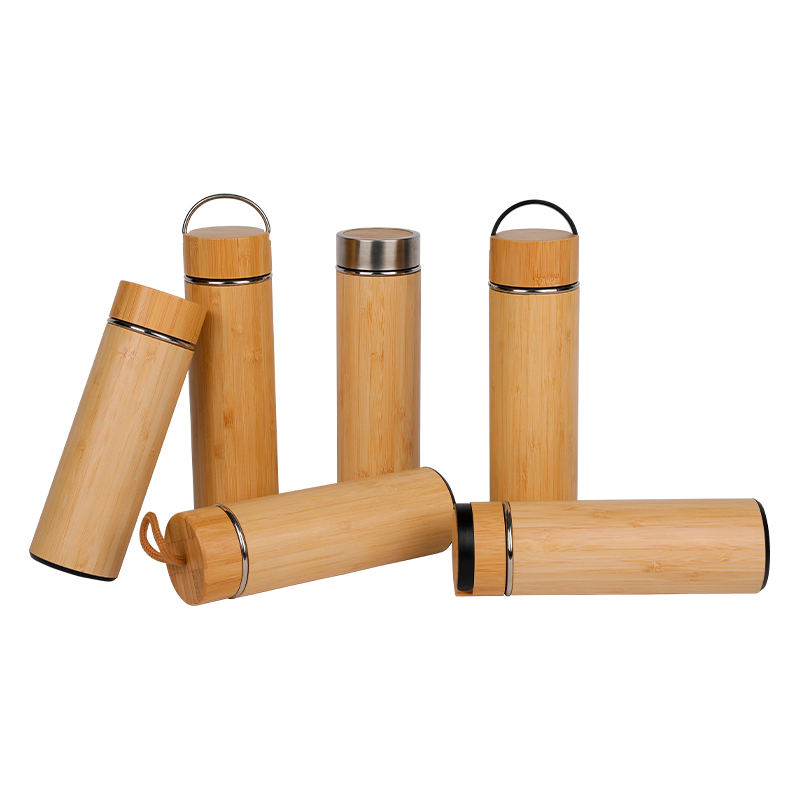
Portable drinkware has become an important product category for household goods brands, promotional merchandise suppliers, retailers, and corporate gift distributors. As consumers carry coffee, tea, and other beverages between home, work, and outdoor activities, product details such as capacity, insulation, lid structure, and grip comfort influence purchasing preferences.
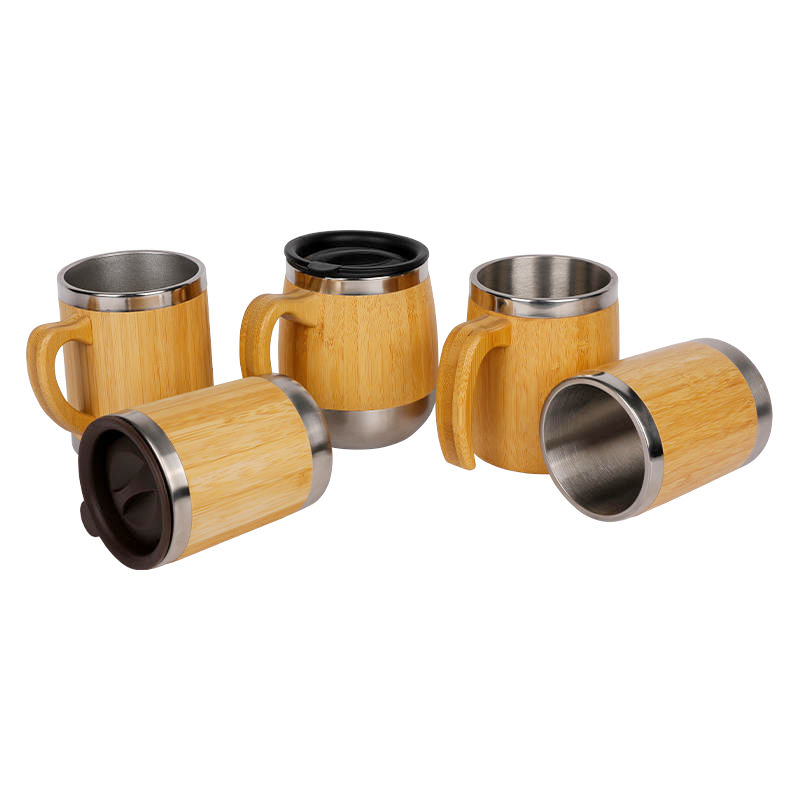
A Travel mug with handle combines the portability of a traditional travel cup with an additional gripping feature. Unlike handle-free tumblers, this design provides a dedicated holding area that can make carrying and drinking more convenient. For B2B buyers, it also creates opportunities to develop drinkware collections with different appearances, materials, and branding options.
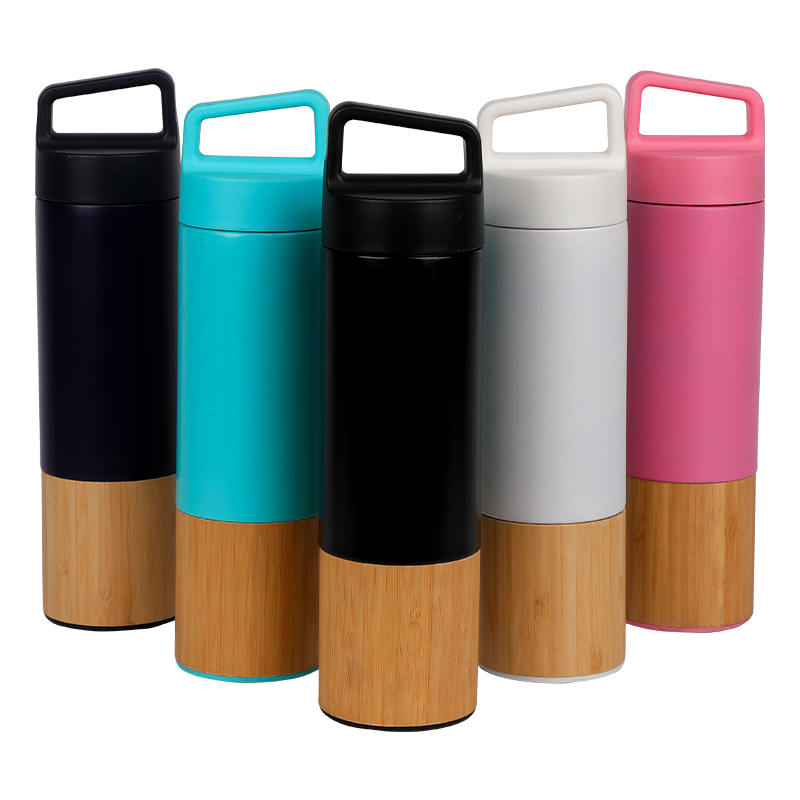
The handle is one of the defining features of this drinkware category. Its shape, size, attachment position, and distance from the cup body influence how the product feels in the hand.
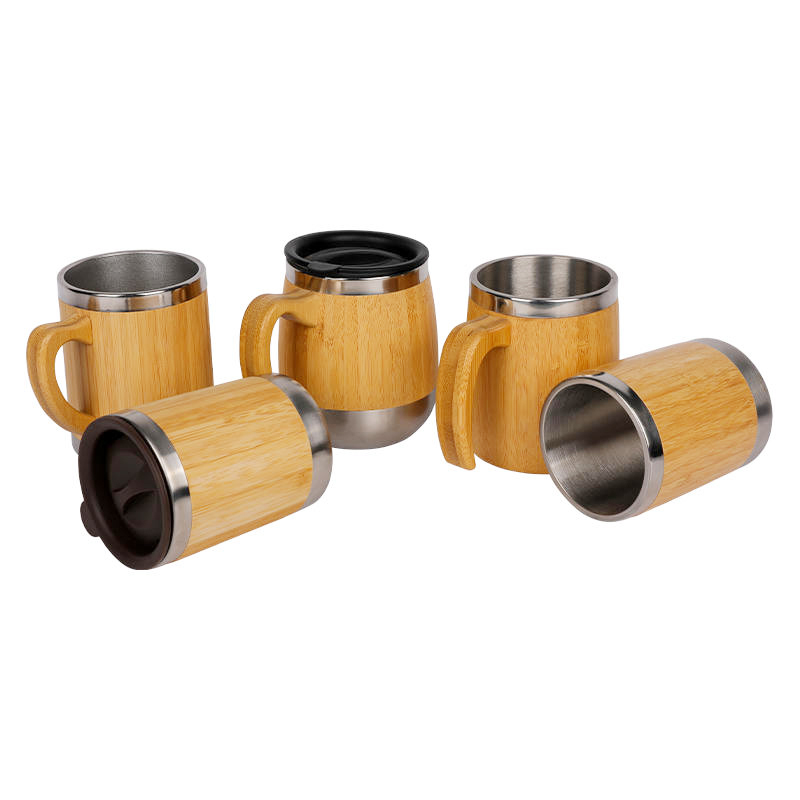
Some designs feature a large loop handle that allows users to hold the mug with several fingers. Others use compact side handles to maintain a relatively small overall profile. Ergonomic curves and rounded edges can also contribute to a comfortable grip.
Handle construction varies according to the product material. Stainless steel models may use welded or integrated metal handles, while plastic versions can feature molded handles as part of the main body. Some products combine a stainless steel cup body with a separate plastic or silicone grip component.
Producing insulated stainless steel drinkware involves several manufacturing stages. The process generally begins with stainless steel sheets or tubes, which are shaped into the inner and outer cup bodies.
Deep drawing is commonly used to form metal components into the required cup shape. The inner and outer sections are then assembled, with a gap left between them for vacuum insulation structures.
After assembly, vacuum processing removes air from the space between the walls. The opening is sealed to create the insulated body. Additional processes may include polishing, surface coloring, coating, and logo application.
Handle production follows a separate process depending on its material. Metal handles may be formed through bending and welding, while plastic handles are generally produced through injection molding.
The lid is another important component. Manufacturers may use threaded, press-fit, or sliding structures depending on the product design. Silicone sealing rings can be incorporated to improve the fit between the lid and mug body.
Customization is an important part of B2B drinkware manufacturing. Importers and private-label brands may require specific colors, surface treatments, handle designs, and logo positions.
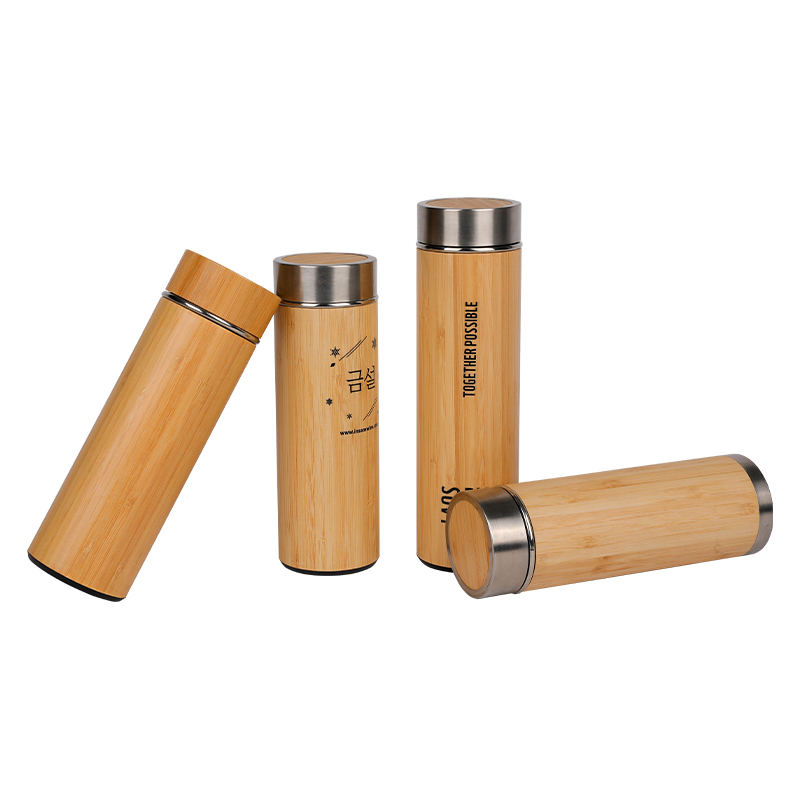
Common customization options include powder coating, spray painting, laser engraving, silk-screen printing, and heat-transfer printing. The available methods depend on the mug's material and surface structure.
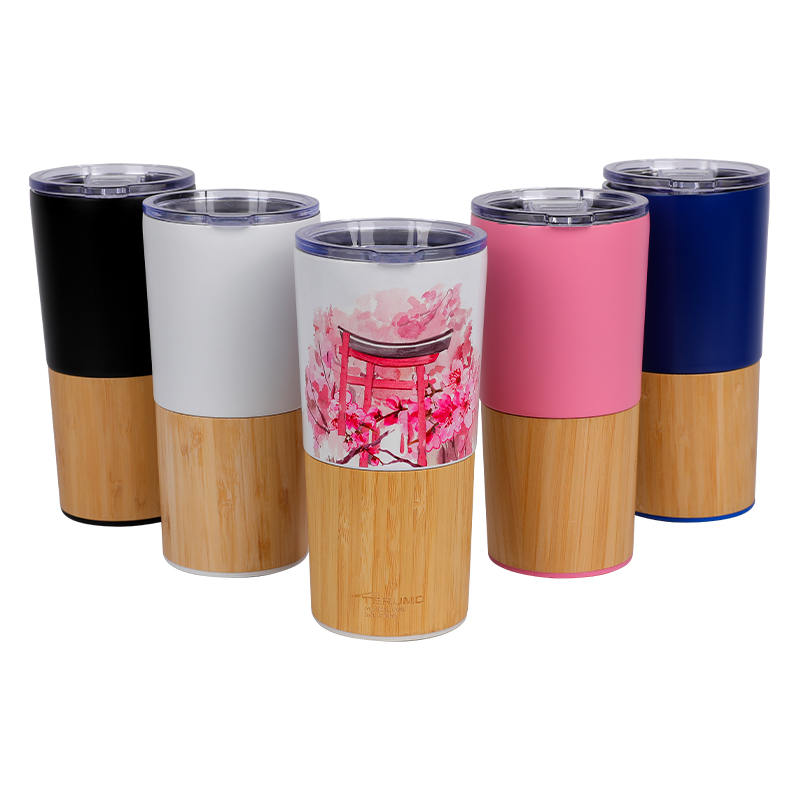
Manufacturers may also develop different lid configurations, handle shapes, and capacity options within one product series. For example, a brand can create several color variations using the same basic mug structure while adjusting the exterior finish and logo placement.
Packaging can also be customized through printed gift boxes, individual cartons, and branded product inserts.
The design of a Travel mug with handle involves more than adding a gripping component to a standard drinking cup. Handle geometry, material combinations, insulation construction, lid design, and surface finishing all contribute to the finished product. For overseas drinkware importers, distributors, and private-label brands, understanding these manufacturing details can help create product collections that balance practical use, visual identity, and market positioning.
+86-15888916245