A cup of coffee poured at seven in the morning shouldn't taste lukewarm by noon, and that's the entire premise behind an insulated thermos. The concept sounds simple — keep hot things hot, cold things cold — but the engineering underneath is more layered than most people realize until they compare a cheap bottle against a properly built one.
At the core of every insulated thermos sits a double-wall construction with a vacuum gap sealed between the inner and outer shells. Heat needs a medium to travel through, whether that's air, liquid, or solid metal, and a vacuum removes that medium almost entirely. Without a path for heat to escape or cold to creep in, the contents stay closer to their starting temperature for a much longer stretch than a single-wall container could manage. Some designs add a thin copper or silver lining inside the vacuum space to reflect radiant heat back toward the center, squeezing out a bit more retention time.
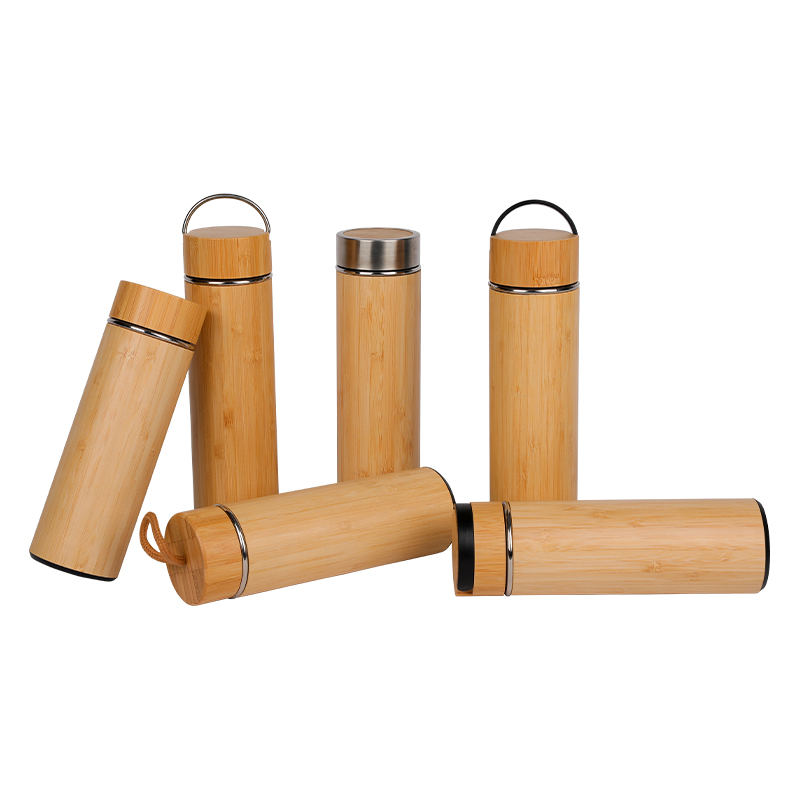
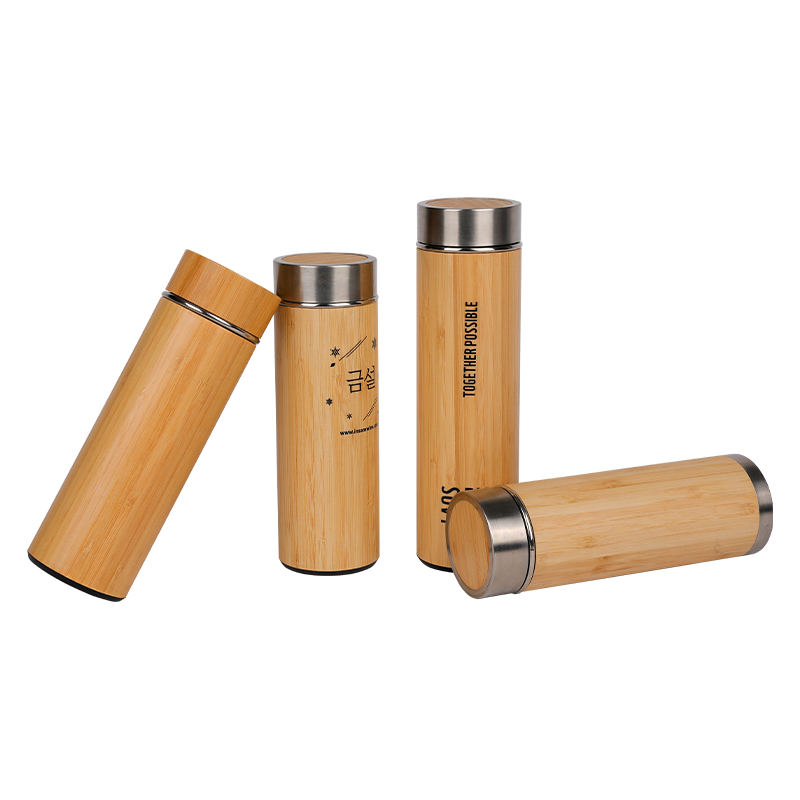
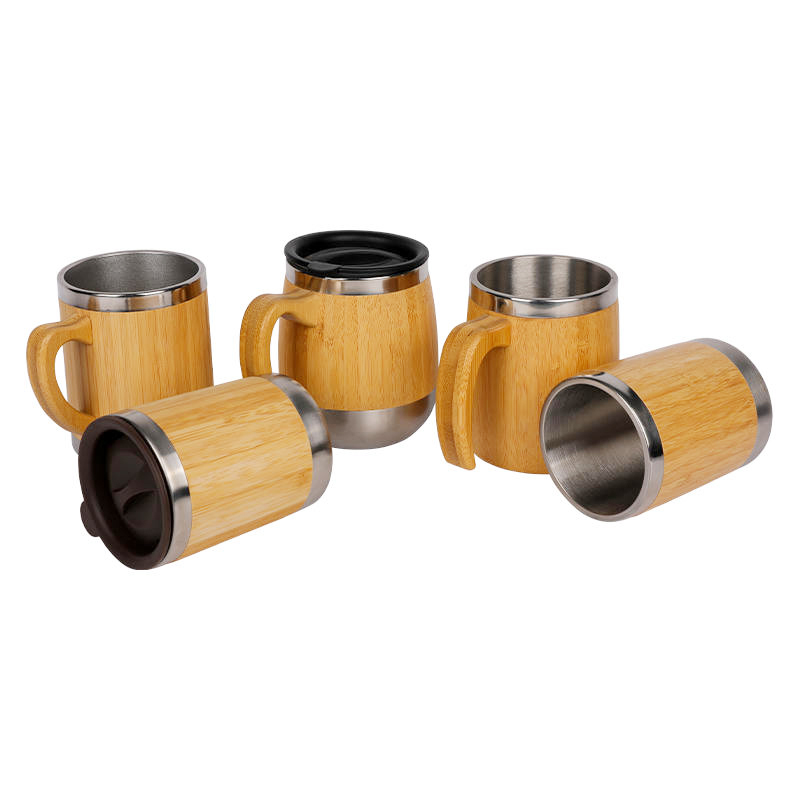
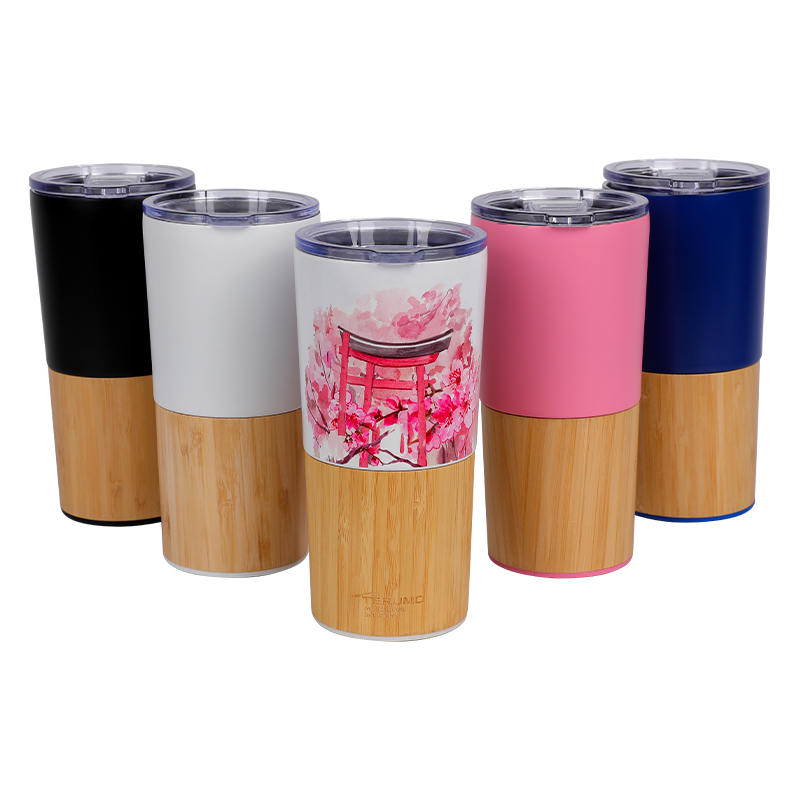
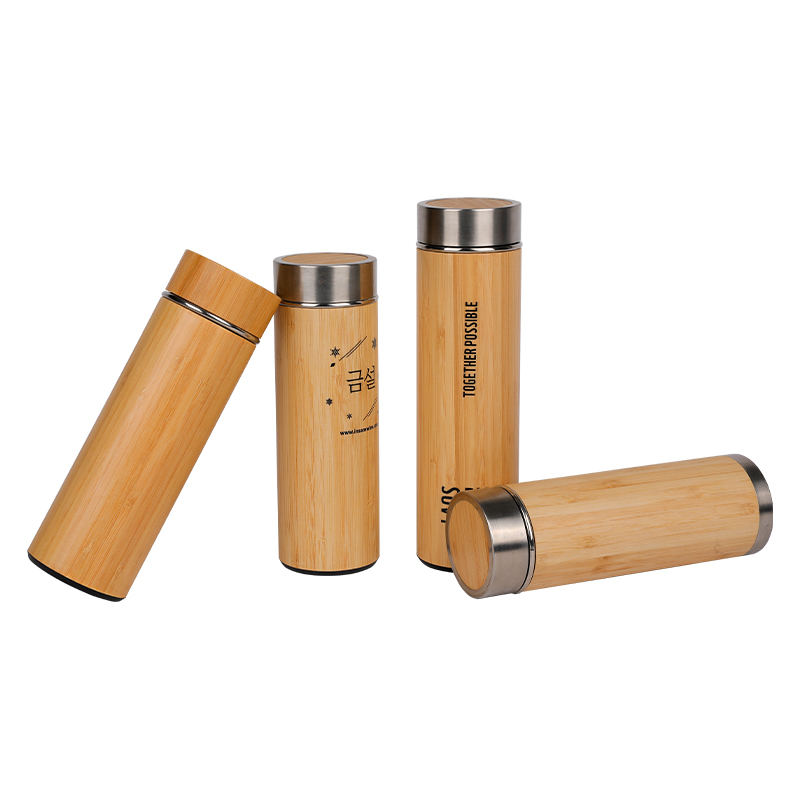
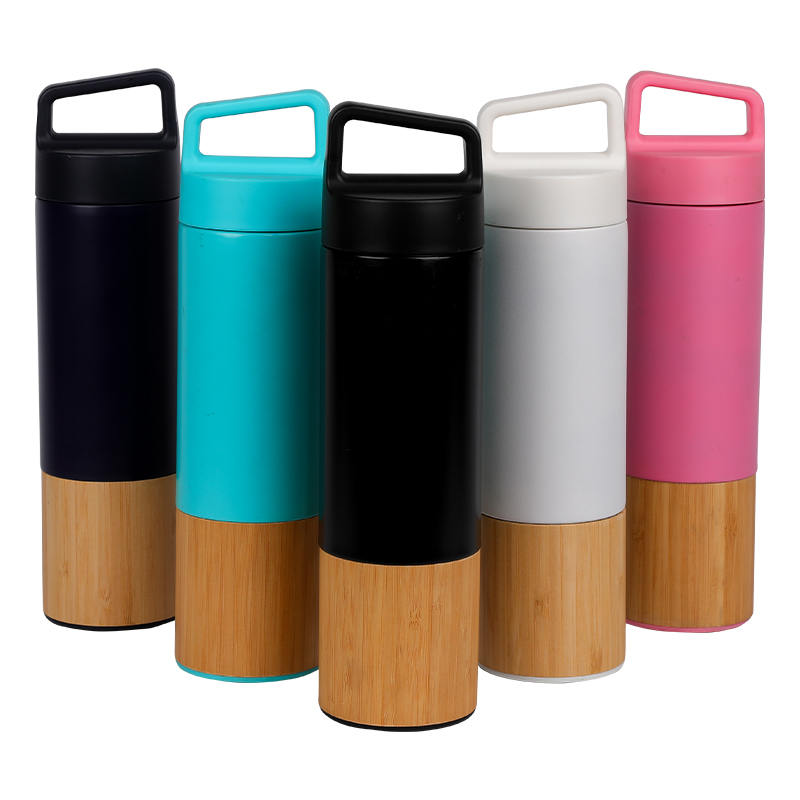
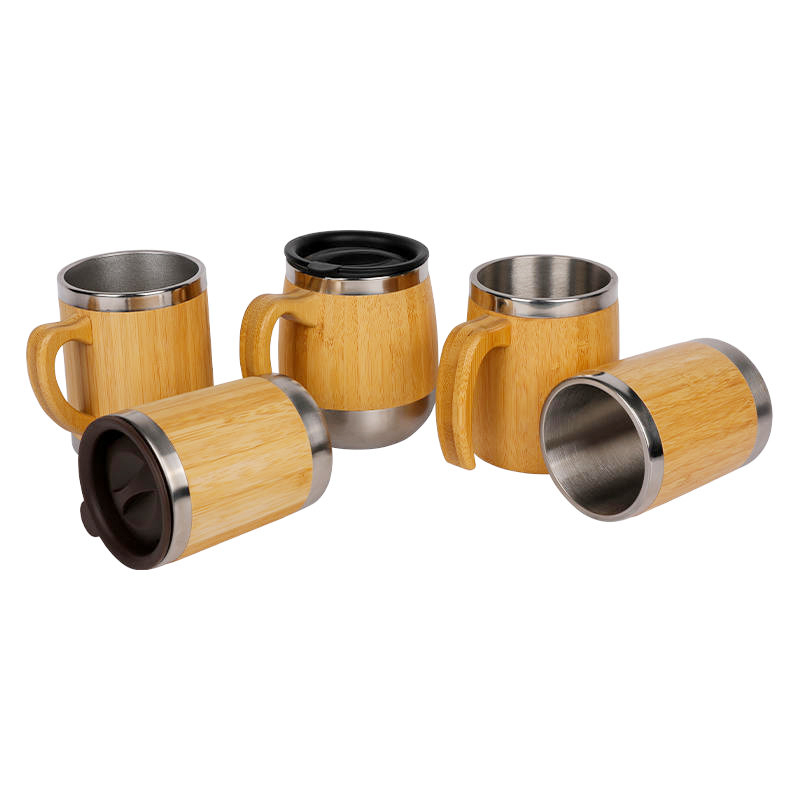
Stainless steel dominates the insulated thermos category for good reason — it resists denting, doesn't react with acidic drinks like coffee or citrus-based beverages, and holds up to repeated daily use. Grades vary, with food-safe 18/8 stainless steel being a common baseline for the inner chamber. Outer shells sometimes swap in:
None of these outer choices affect how well the insulated thermos performs internally; they're mostly about feel, weight, and how the bottle fits into a bag or cup holder.
The lid is where a lot of the practical differences between one insulated thermos and another show up. A few common configurations:
Seal quality matters almost as much as the vacuum itself. A loose gasket lets warm air escape gradually, which undermines the insulation no matter how well the walls are built. Buyers sourcing in bulk often request sample units specifically to test seal consistency across a production batch before committing to a full order.
Interestingly, an insulated thermos doesn't necessarily perform identically for hot and cold contents. Hot liquids lose heat partly through the lid opening every time it's used, so a bottle that's opened frequently throughout the day will cool faster than one left sealed. Cold retention tends to hold up a bit longer in practice, partly because ice inside the chamber absorbs incoming heat before the surrounding liquid warms up. Ambient temperature plays a role too — a thermos sitting in a hot car will lose its cold contents faster than one kept indoors, regardless of how well-built the vacuum seal is.
Not every bottle marketed as insulated actually uses a true vacuum gap. Some budget options rely on foam inserts or air pockets that offer partial insulation but fall short of what a genuine vacuum-sealed insulated thermos delivers. Checking for a stated vacuum-seal construction, rather than just a general "insulated" label, helps buyers understand what they're actually getting before committing to a bulk purchase.
+86-15888916245