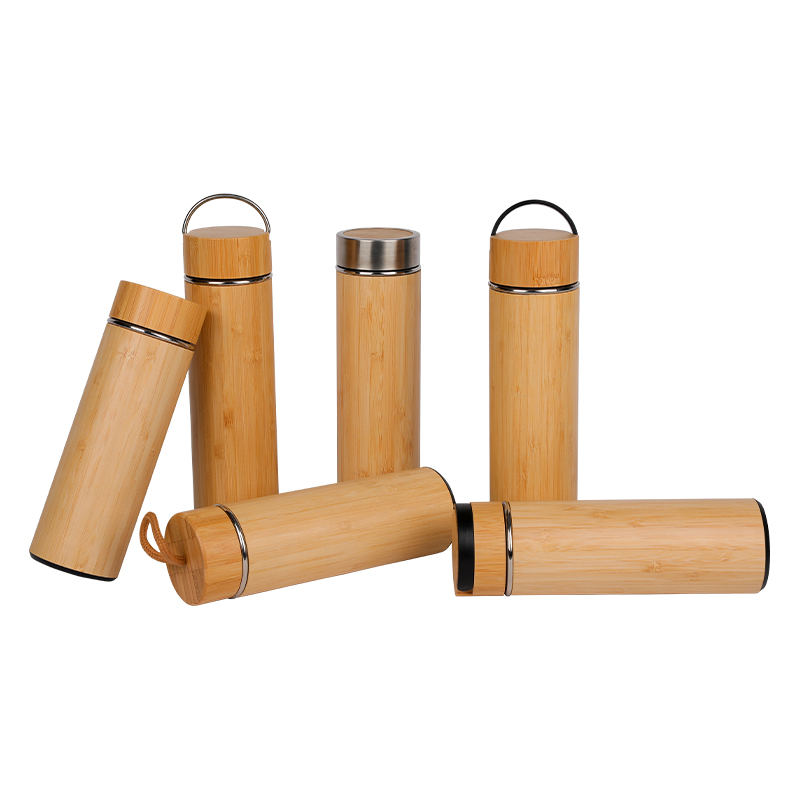
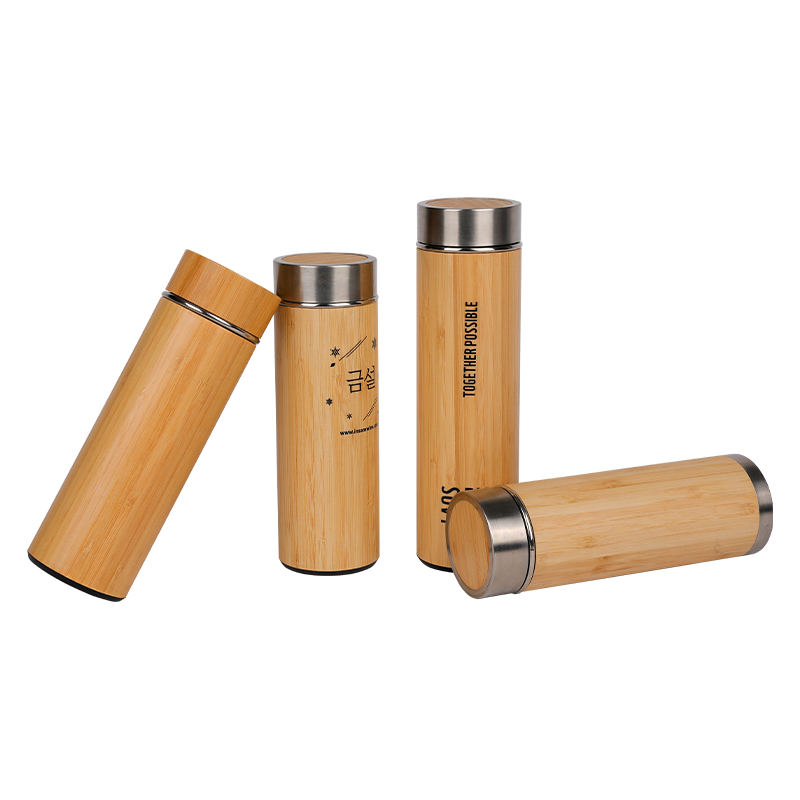
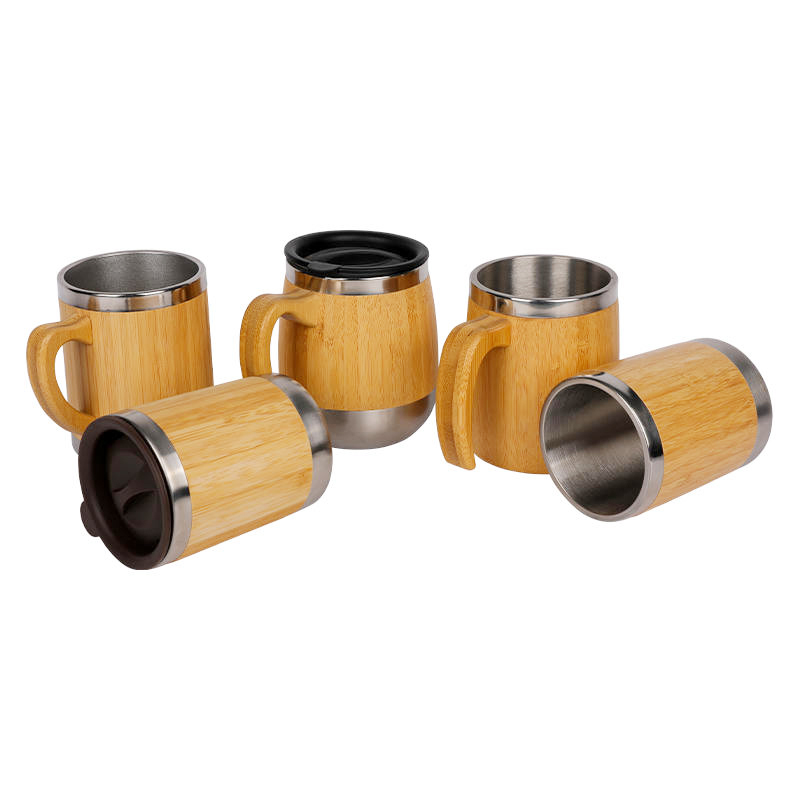
The humble drinking cup has changed considerably as people carry beverages between homes, offices, workshops, vehicles, gyms, and outdoor spaces. Among these products, the stainless steel tumbler has developed into a widely used drinkware format, combining a metal body with practical shapes designed around everyday drinking habits.
Stainless steel provides a rigid metal structure that can be formed into different cylindrical and tapered shapes. It also gives manufacturers room to create smooth surfaces, curved edges, narrow openings, and decorative finishes.
For drinkware production, stainless steel sheets or tubes can be processed into the main body. The thickness and shape of the material influence the weight and overall feel of the finished tumbler.
Some products use a single metal wall, while others use a double-wall construction. The second structure creates a space between the inner and outer walls, changing how heat moves between the beverage and the surrounding air.
Insulated tumblers commonly use double-wall construction. The inner container holds the beverage, while the outer shell provides another layer around it.
This structure is more complicated than a conventional cup because the two metal sections need to fit together accurately. The connection between them also needs to accommodate the intended insulation structure.
Vacuum insulation is another design approach found in some stainless steel tumbler products. Instead of leaving ordinary air between the walls, manufacturers create a controlled space that reduces heat transfer.
The result is a tumbler structure designed around temperature retention rather than simply holding a drink.
The lid is another important part of tumbler construction. A typical lid may contain a drinking opening, sliding cover, sealing ring, or threaded section.
Different lid designs create different drinking experiences. A wide opening can support quick drinking, while a smaller opening can provide greater control when drinking during travel.
The sealing ring is often made from a flexible material that sits between the lid and cup body. Its position needs to match the lid geometry so the components can fit together correctly.
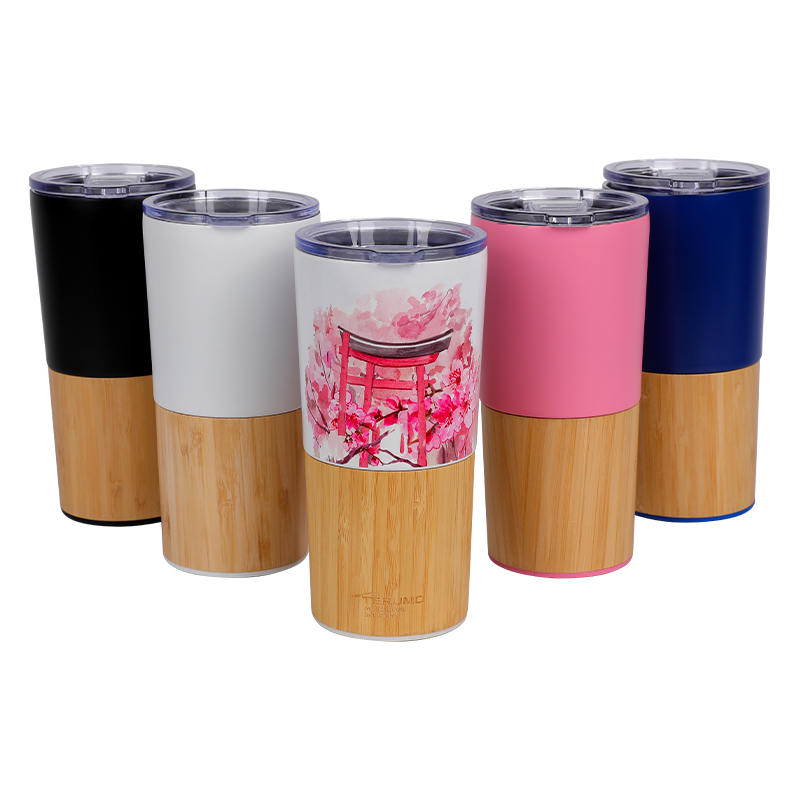
Not every stainless steel tumbler follows the same proportions. Some have a narrow base and wider upper section, while others maintain a relatively straight cylindrical profile.
Tall tumblers can accommodate larger beverage volumes without requiring a wide footprint. Shorter designs may be easier to place on compact surfaces.
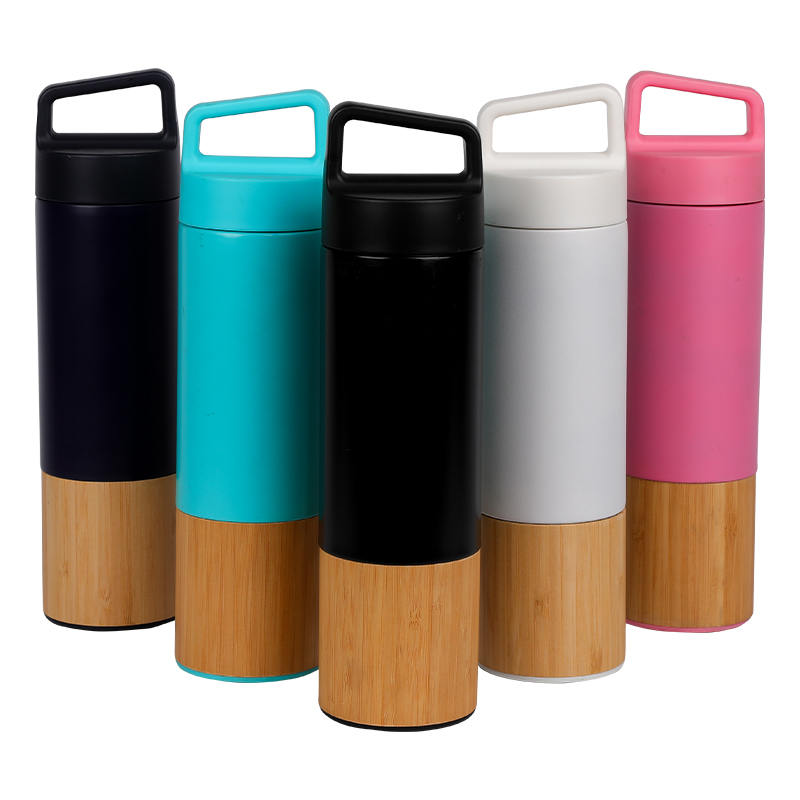
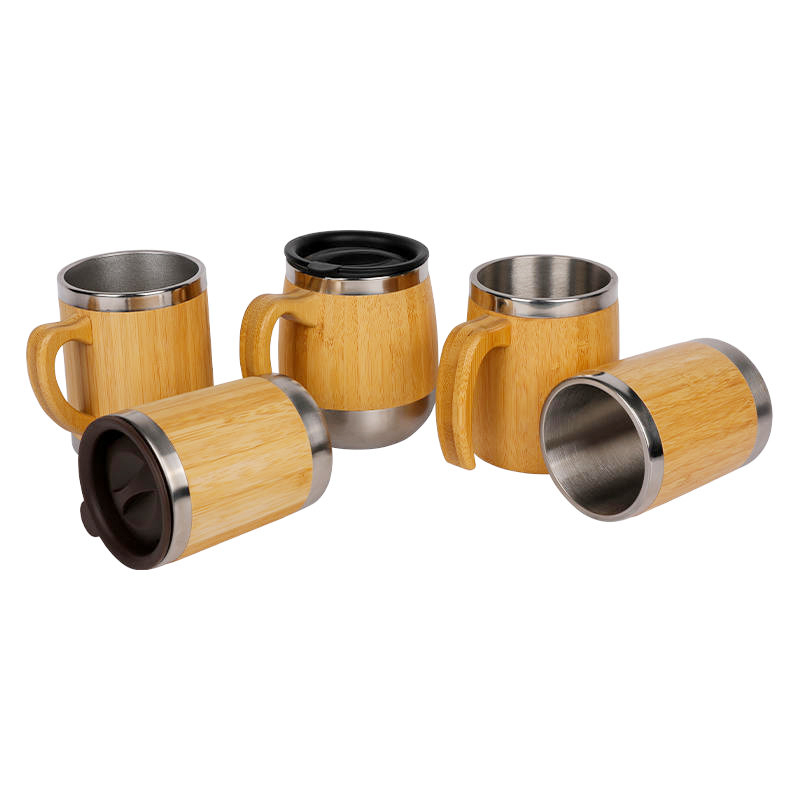
Vehicle-oriented tumblers can also use narrower lower sections to fit common cup holders. Meanwhile, handle-equipped designs may focus on easier carrying and drinking in workplaces or outdoor settings.
These differences show how product geometry can develop around actual usage conditions rather than appearance alone.
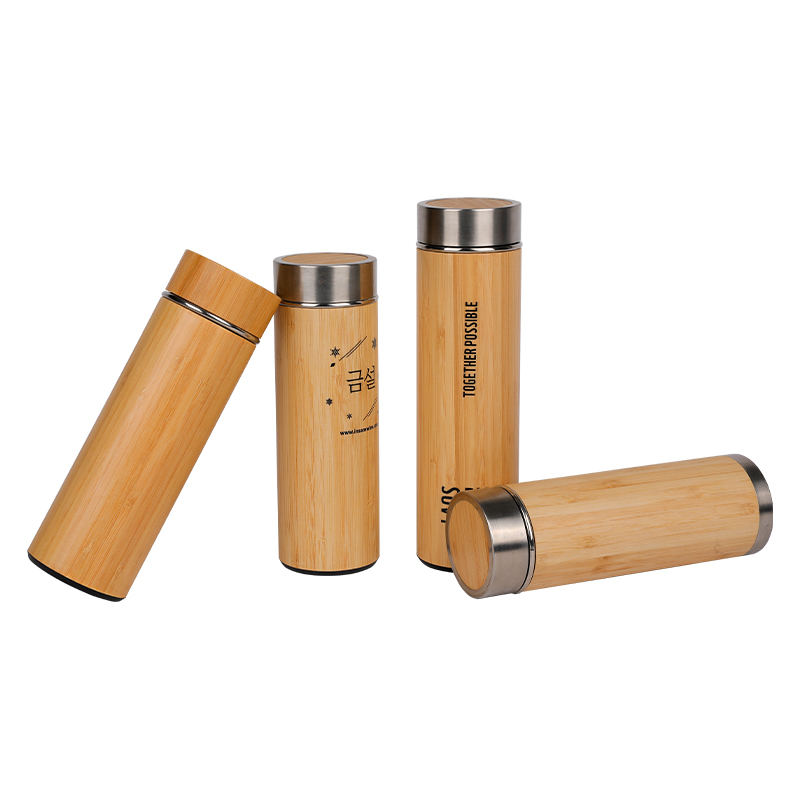
After forming and welding, stainless steel surfaces can receive different finishing treatments. Brushed textures, polished surfaces, powder coatings, printed graphics, and colored finishes can change the visual character of the same basic metal structure.
Brand owners can also use surface treatments to create product lines that share the same internal construction but have different exterior appearances.
This approach is useful in wholesale and private-label production because one basic tumbler platform can support multiple visual designs.
The production of a stainless steel tumbler involves more than shaping a piece of metal into a cup. Body forming, welding, insulation, lid assembly, surface treatment, and component matching all contribute to the finished product.
As drinkware continues to move between offices, vehicles, commercial spaces, and outdoor activities, tumbler designs are becoming closely connected to practical details such as shape, grip, opening size, insulation structure, and carrying convenience. What looks like a simple drinking container is actually a compact product that brings several manufacturing processes together.
+86-15888916245